Útgerðarfélag Reykjavíkur

Customer case – Maritech Eye™


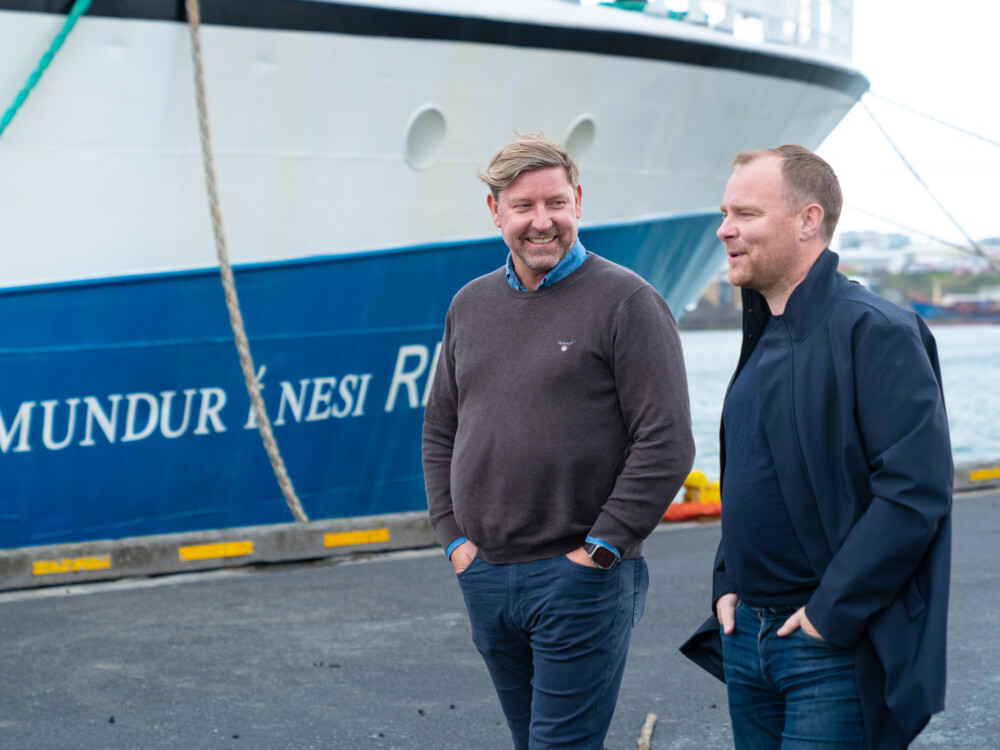
Útgerðarfélag Reykjavíkur got two Maritech Eye™ units early in 2023. One of them became the first ever onboard a fishing vessel,  Reykjavik-based Gudmundur i Nesi.

“We currently own only one vessel, but have had more vessels in the past. Over the last few years, we have lost a significant amount of fishing quota, which is why we can now only operate one ship. This circumstance motivates us to explore the path of detecting species onboard to provide data for estimating fish population size,” explains Þorlákur Gudjonsson, Innovation Manager, Útgerðarfélag Reykjavíkur.

Three main purposes

“We have worked closely with Maritech to develop robust algorithms, and we are now prepared to begin collecting statistics on species and quality while continuously enhancing our models.

Our intention is to use the data for three primary purposes:

Firstly, to collect information that can support more accurate estimates of fish populations, aiding the The Directorate of Fisheries, Fiskistofa, in the precise allocation of fishing quotas.

Secondly, to facilitate automated monitoring by fishing authorities.

Thirdly, to improve our onboard quality measurements.”

Click on the image to the left to see our video interview with Þorlákur Gudjonsson.
The results have exceeded expectations

“It has been surprisingly positive to observe how well things have progressed. Naturally, there have been challenges, as we have the first Eye unit that has ever been installed on a fishing vessel. We had to adjust the outer structure of the Eye to ensure it could withstand the conditions on board. However, Maritech responded promptly, so this issue was easily resolved.

We anticipate being able to utilize this technology in various ways. To give a few examples, we can use it to detect species, size, weight, sex, and potentially age, for research purposes as well as our own needs. Furthermore, this technology can be applied to fishing surveillance, where we would scan all the catch on the vessel. Initially, Maritech had reservations about the ability to distinguish between different species lying together on the belt, but the results have exceeded our expectations.

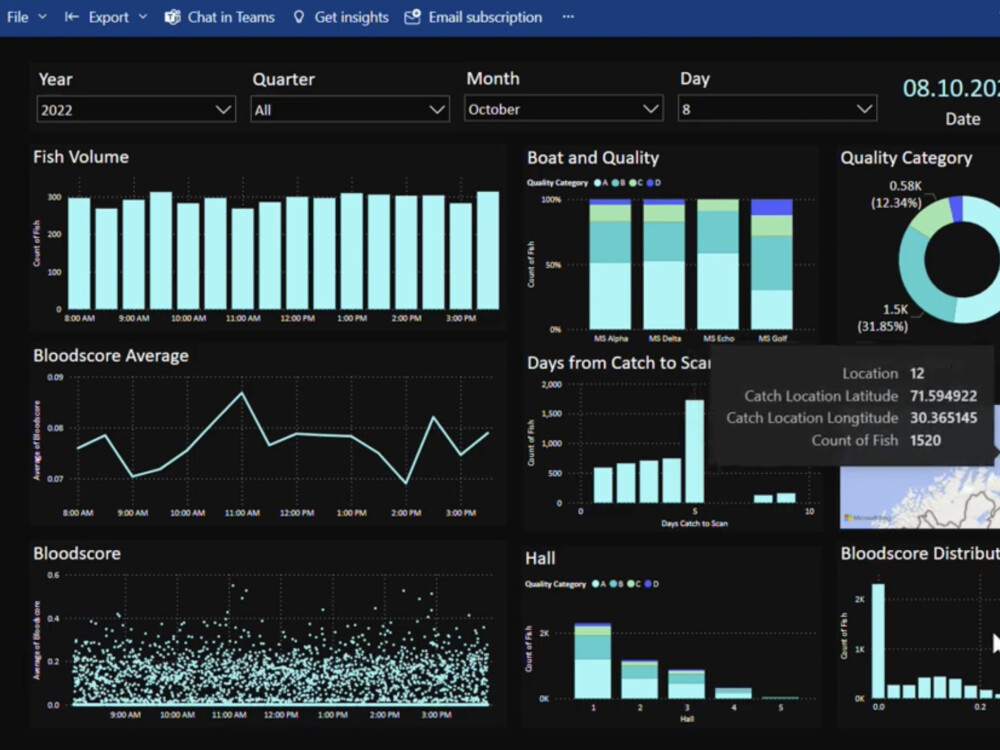
The third aspect involves using the Eye for advanced quality measurements, enabling us to identify issues such as excessive blood after bleeding, detect parasites on the fish, and estimate the firmness of Halibut flesh. We have been able to achieve all of this through the fish’s skin, demonstrating the extensive possibilities offered by this technology.”
Innovation in their backbone

There is a long-standing tradition in Icelandic fisheries of supporting the development of new technology. UR is no exception, ever since they heard about Maritech Eye™ they have been enthusiastic about our technology and exploring its potential applications.

As mentioned above, one of the primary reasons for initiating this project was UR’s experience with fishing quotas being reduced as a precautionary measure due to insufficient data.

“We aim to contribute to the collection of higher-quality data. The initial step involves gathering data and ensuring its quality so that it can be utilized in official fish population measurements, although this has not been finalized at this time. Quite recently, we had the Redfish quota reduced due to the lack of information, which poses significant challenges for us, particularly because Redfish are often caught while fishing for other species,” Guðjónsson says.
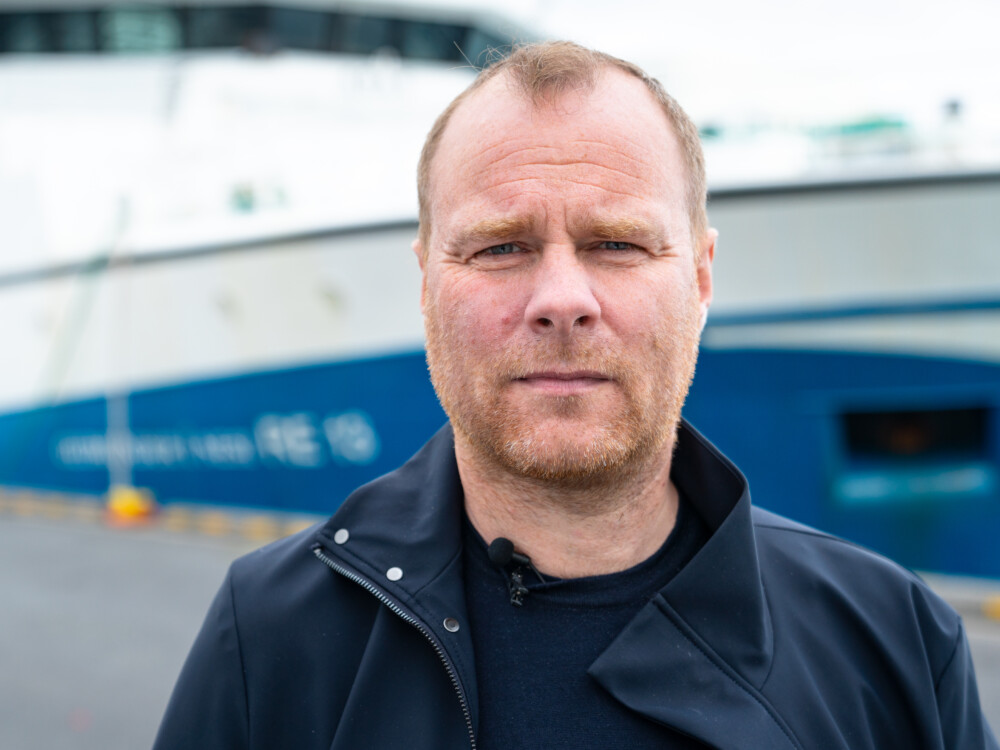
Þorlákur Ómar Guðjónsson, Innovation Manager, UR Seafood

We are proud to collaborate with Útgerðarfélag Reykjavíkur, and this partnership represents a big step forward in data-driven, sustainable fisheries management.

About UR Seafood

UR Seafood is a reputable seafood company based in Iceland, responsible for overseeing the operations of the freezer trawler Gudmundur i Nesi RE 13.

At the core of UR Seafood’s mission is the unwavering commitment to ensure that all its fishing vessels are reliable and in optimal condition. The company is dedicated to meeting modern standards for operational efficiency, sourcing high-quality raw materials, and providing top-notch equipment for its fishing crew. Furthermore, UR Seafood places a strong emphasis on environmental sustainability and places a high value on its exceptional human resources in all aspects of its operations.
Nova Sea

Customer Case – Purchase & Sales

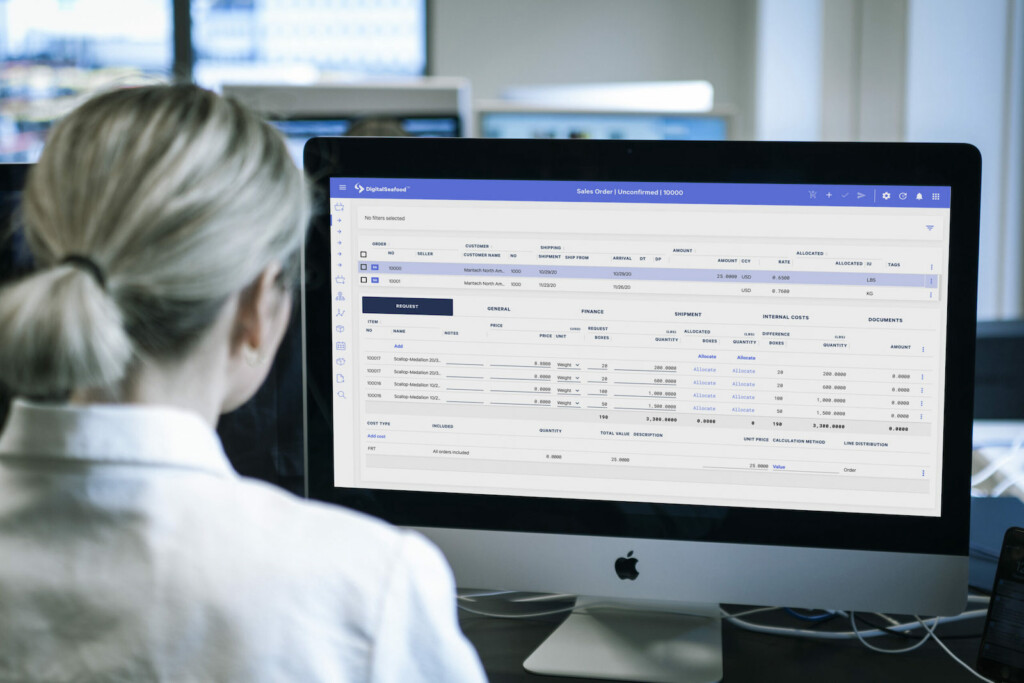
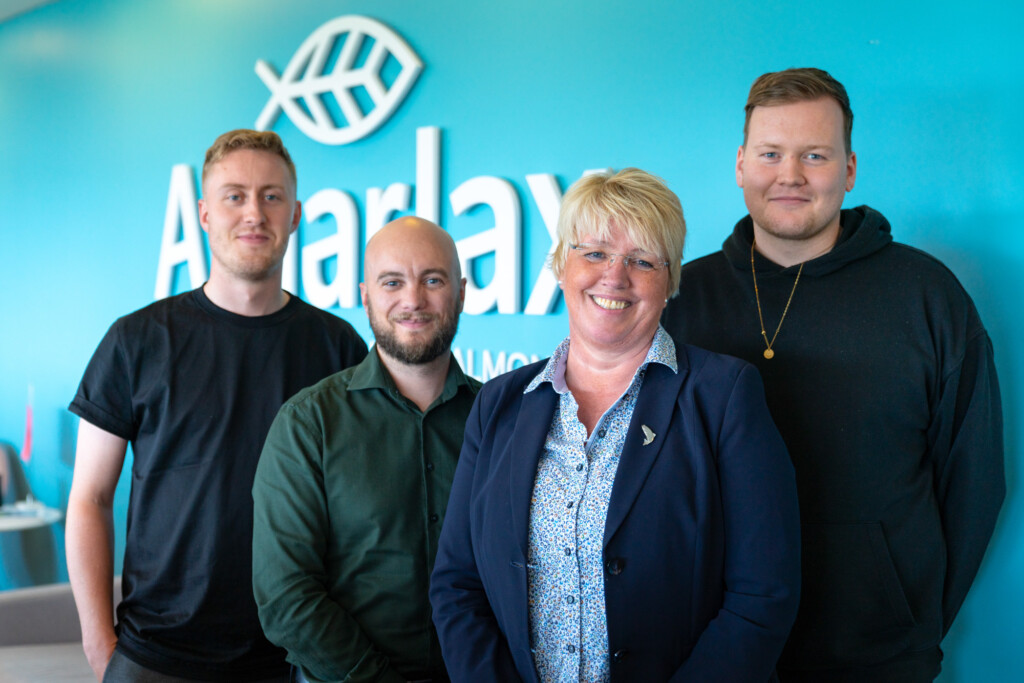
“We continue our digital transformation journey by embracing cloud technology to streamline our processes,” Birkeland says.

Based in Lovund, Nova Sea AS is one of the largest producers of farmed salmon in Northern Norway. They have aquaculture facilities along the entire Helgeland coast and exports salmon to customers worldwide.

– For us, Maritech was a well-considered and natural choice. Geir Johan Birkeland, Former Head of IT at Nova Sea.

Innovation & Quality

“We have already worked closely with Maritech in the pre-project we conducted last year, and we find them to be a solid partner. Innovation and quality are essential common denominators; we challenge each other and make each other even better.

The new cloud software will enhance efficiency across various departments within our company, from coordination to sales, invoicing, and accounting. This will provide us with better control and create synergies beyond the functions directly involved in the project.”  

A highly innovative customer 

“Nova Sea is a highly innovative and technology-driven company, and we are proud that they have chosen us,” said Klas Vangen, VP Sales at Maritech. 

“They produce premium products, have a strong focus on sustainability and technology, and their team is exceptionally skilled. We have learned a lot from them through our work together in recent months. Their expertise and dedication are crucial to Nova Sea’s success and have also added significant value to our collaboration. We look forward to achieving new milestones together and helping them continue increasing their growth.”

About Nova Sea

A Norwegian success story: Packed in plastic bags, the first farmed salmon arrived aboard a sea plane that landed in Lovund in 1972.

The original Nova Sea AS was established as a fish processing company at Naustholmen in Lovund in 1985. Since then, its development has been nothing short of remarkable.

Their vision is “The perfect balance”. Their values are: Local, Responsible, Competent and Proud.

Nova Sea chose Maritech Cloud

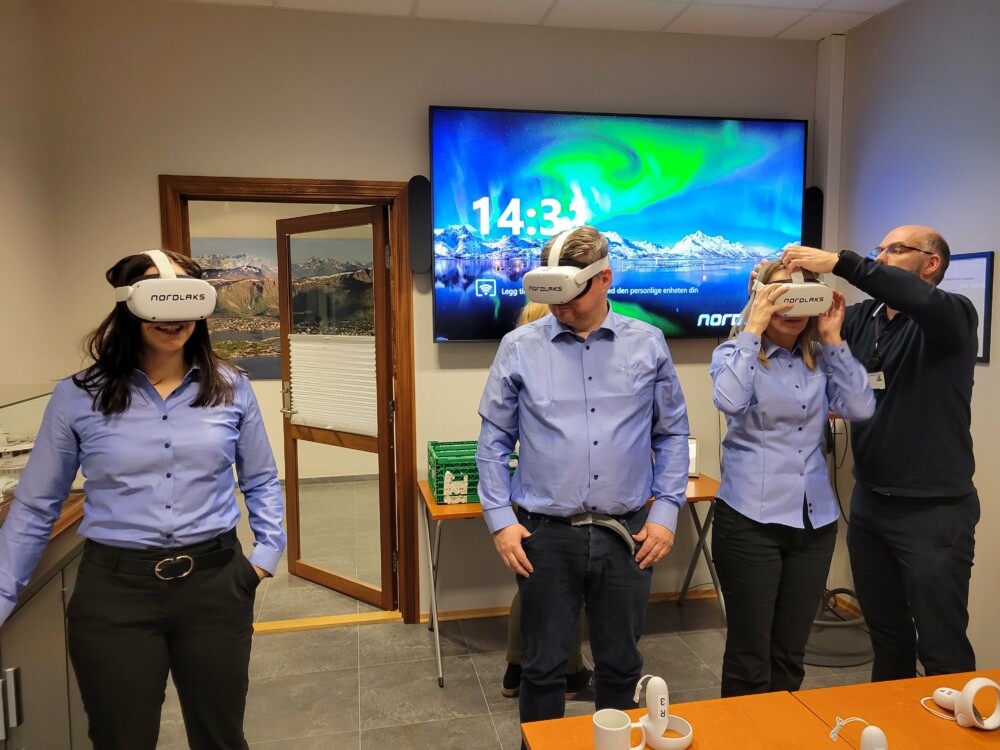
Nordlaks

Customer case – Maritech Purchase & Sales


We love working with Nordlaks, and we’re thrilled that they 💙 Maritech Purchase & Sales.

“The solution has met our expectations. We are able to measure our performance in great detail and at all levels,” says Eirik Nikolaisen, Chief Commercial Officer.

This helps us make the right choices in the market and improve our earnings. Maritech Cloud also offers an architecture that provides excellent opportunities for integration with other systems. It is a reassurance for the future.”

A smooth implementation process

“Nordlaks initiated a project in autumn 2022 to choose a new trading solution for salmon sales. Our old platform was not future-oriented, and we required new functionalities that would have necessitated significant further development,” Nikolaisen continues.

“We conducted an evaluation of potential solutions in the market, and our choice ultimately fell on Maritech. The decision was relatively easy, as Maritech offered a modern architecture, solutions, and functionalities that perfectly aligned with our needs.

“The implementation process itself was impressively smooth and well-structured. Maritech had a clear implementation methodology and highly competent employees, which allowed us to go live in approximately 2.5 months.” 

From day one, it has been a pleasure to collaborate with you, Team Nordlaks! We are a proud partner and eagerly look forward to supporting your future growth!

AnT Seafood B.V.

Would you like to know how we can help you improve your margins and efficiency?

About Nordlaks

For over 30 years, Nordlaks has been one of Norway’s largest salmon producers, and today they are exporting fresh and frozen salmon + value-added products to more than 40 countries around the world.

Their focus is on continuously improving every step of the value chain. Through the development of new technology and innovative production methods, they create not only new solutions for their own business but also for the entire industry.

Nordlaks is dedicated to driving the industry forward and contributing to sustainable growth in Norwegian salmon production.

Queuing up for Maritech TMS


One year after the launch, many customers are eager to get started with cloud based transport management with us.

– The pilot projects have been successful, and the first customers have now implemented the system in their daily operations,” says Ove Gjelstenli, Business Development Manager.

– Nordvest Transport was the first to go live, and they have been operational for several months now. In early September, we also launched GeSi Shipping, which is part of the SR Group. Feedback from both companies is that they are very satisfied and have already experienced a simpler and more efficient workday. Some of the benefits they specifically mention include the real-time map solution, proactive features, smart material planning, and the system’s accessibility anytime, anywhere.


We’re ready to take you to the cloud!

Now that the pilot phase is complete, we are beginning the process of transitioning all our customers to the cloud. “Many of them are very proactive and are already well underway with conducting pilot projects with us. We have a strong team ready to assist existing customers in moving to the new platform and to implement entirely new customers who have patiently waited over the past year.”

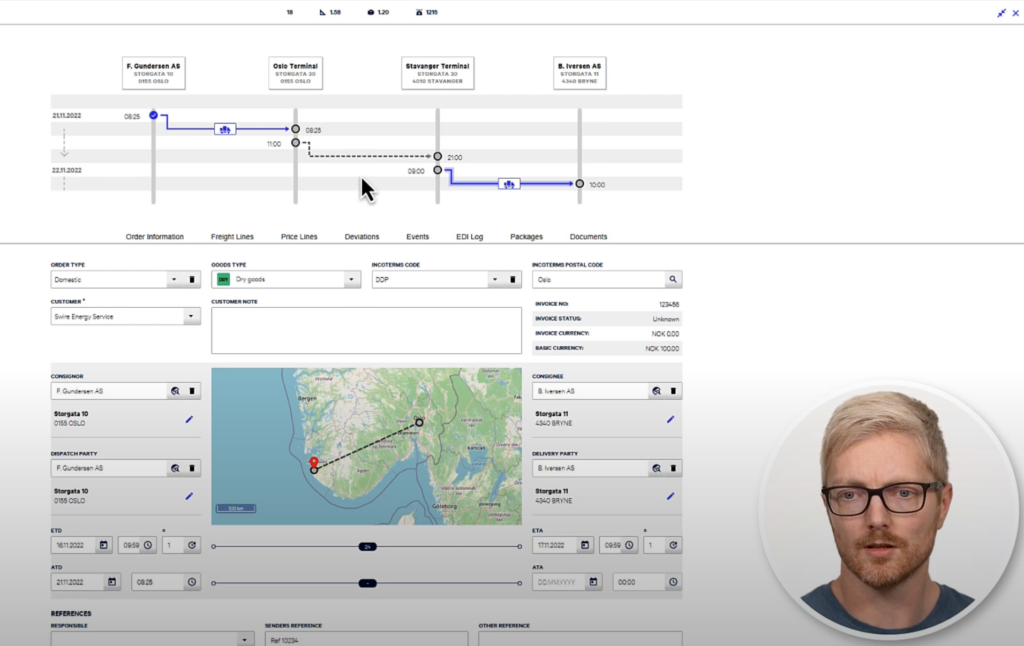
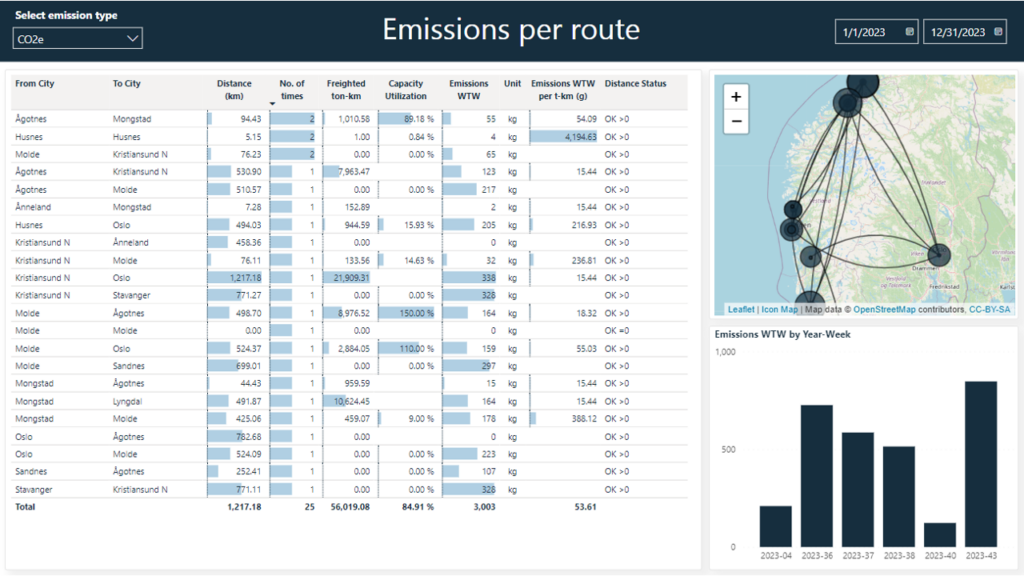
– It is evident that many in the industry are aware of the benefits they can achieve by digitizing work processes, both in terms of simplification and margins. In the new TMS, it has become much easier to optimize both financial management and trip planning, with full visibility into aspects such as margins and assignments. You can also seamlessly connect with your customers through the customer portal and communicate efficiently with your suppliers – directly from the system via EDI. Environmental reporting is another good example, where you can obtain automatic documentation and analysis of emissions, filling levels, and route choices. For many businesses, a significant amount of time can be saved compared to doing this manually.

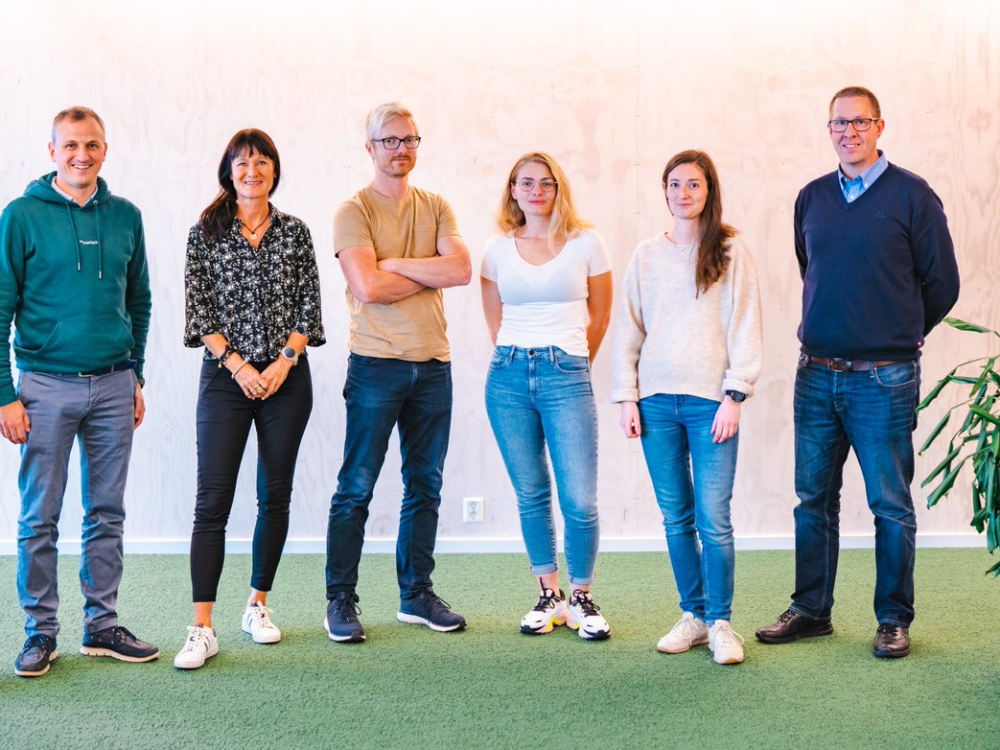
Maritech TMS team

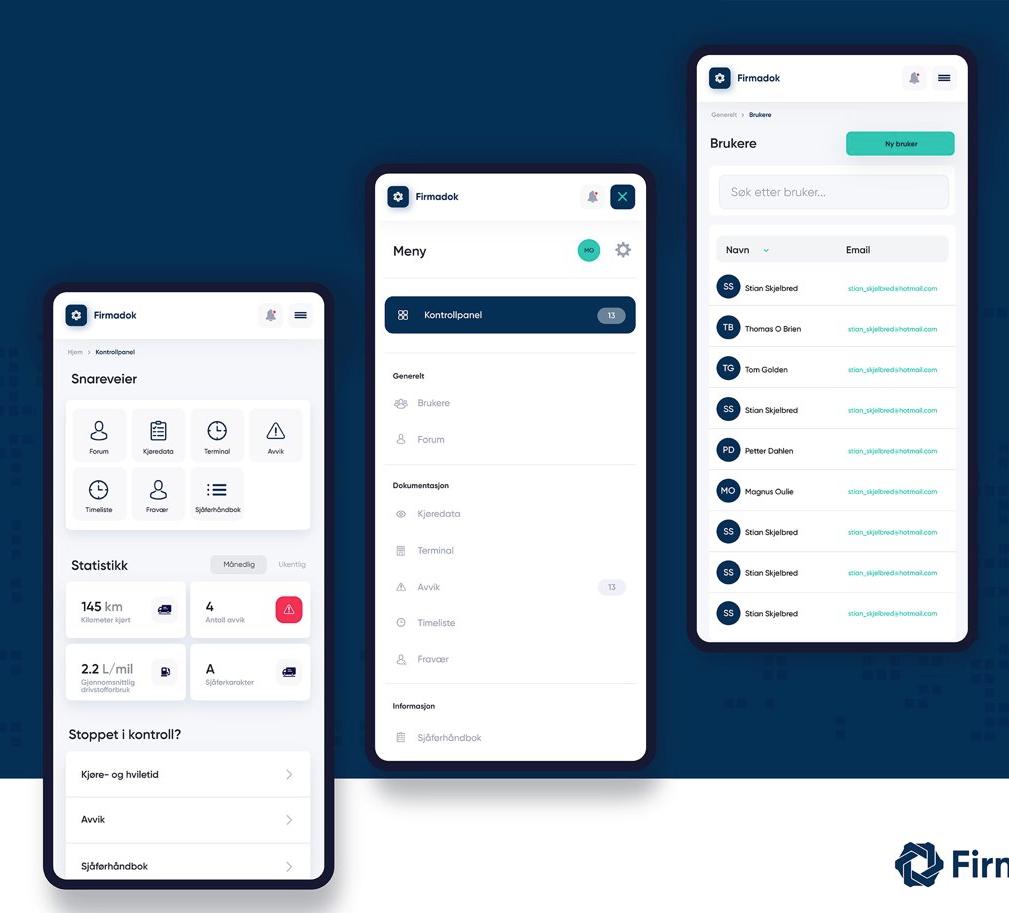
– There is also significant interest in Firmadok, with whom we partnered in May of this year. We are now in the process of testing the new integration, and we can already see that the combination of Firmadok and Maritech TMS is going to be extremely valuable for many transportation companies – especially when used together with Maritech Analytics. Data from all vehicles flows directly into the system, allowing you to have real-time control and automatic documentation of driving and rest times, maintenance, and more. Time tracking and driver wage calculations are automatically updated, verified, and sent directly to the payroll system.


See us at Transport og Logistikk 2023!

Now we are truly looking forward to showcasing all of this at the Transport og Logistikk trade fair. We will have a team of experts on hand to demonstrate both Maritech TMS, Maritech Analytics, and Firmadok. Stian Skjelbred, the founder of Firmadok, will also be joining us this time.

So, come and say hi to us at booth C01-09, and feel free to ask any questions! 

From seafood traceability to seafood sustainability 

– The seafood industry’s shifting metrics  

The seafood industry has witnessed a shift from isolated seafood traceability efforts to comprehensive global standards for data collection and sharing, with a growing focus on sustainability.

Traceability and seafood transparency have moved from fringe to core; from initial efforts focused on a few traceability vendors helping companies track and trace within their own operations to global standards for end-to-end data collection and sharing. The aquaculture and wild caught fisheries sectors have both seen growth and innovation in standards and certifications. 

Originally, the focus was on technology for data capture within seafood companies. Over time, tracking and tracing efforts expanded from technology-oriented solutions for individual companies to a greater focus on system-level approaches, including the implementation of seafood ERP software to handle major national and international policy developments, technologies aimed at large-scale monitoring of vessels, and industry-led standards for traceability. Online reporting platforms also help stakeholders engaged in markets-based initiatives to track activity more effectively. With the advent of cloud applications, sharing critical data points to follow the fish records has become much easier as interoperability between systems is no longer an issue.

As both systems to capture seafood traceability data and the scope of data to be tracked have advanced, so too has the dialogue surrounding what should be measured and communicated evolved. Beyond simple one up one down traceability regulated by governmental regulation, and quality measures regulated by quality certification schemes, with climate change now front and center on the world stage, companies, especially in the seafood sector, will increasingly need to use seafood ERP solutions to formulate sustainability plans and measure their progress.

As climate change gains prominence, companies in the seafood sector are under pressure to develop sustainability plans and measure their progress. Customers, investors, and regulators are major drivers for sustainability investments.

Increased investment in sustainability

A Gartner survey (November 2022) revealed that 87% of business leaders expect to increase their organization’s investment in sustainability over the next two years. Customers are the primary stakeholder group creating pressure for organizations to invest or act on sustainability issues, followed by investors (60%) and regulators (55%). This is especially true of demands being placed on seafood suppliers by grocery retailers.

More than 90% of the North American seafood grocery retail market is now covered by buyer partnerships with sustainable sourcing NGOs. In Canada, five of the top 10 grocery retailers, representing more than 90% of the retail market, are engaged in NGO partnerships.

Five EU retailers with sustainable seafood partnerships account for 68% of the top 10 total sales, in contrast to 2017, when four retailers with partnerships accounted for 44% of top 10 total sales.

(Source – 2022 Progress Toward Sustainable Seafood – By the Numbers).

While mostly these NGO partnerships revolve around certification programs (MSC and Global GAP, for example), both the focus of the sustainability verifications and the mandates of the certification programs themselves are gradually broadening to include social and climate impact measures.


Poorly defined sustainability metrics

Sustainability is a common goal and catchphrase used in conjunction with seafood, but the metrics used to determine the level of sustainability have often been poorly defined. Although the conservation statuses of target or nontarget fish stocks associated with fisheries are closely scrutinized, the relative climate impacts of different fisheries are only now coming into play. Seafood traceability, supported by seafood ERP software, will inevitably soon need to not only provide traceability to prove that fish is from a sustainably accredited fishery or farm, but companies will increasingly need to use seafood ERP systems to develop strategies for measuring and improving on their carbon footprint.

Optimizing sustainability with seafood ERP

Analytics and data analysis are critical to developing and measuring sustainability progress, especially when leveraging seafood ERP software.

Although the seafood carbon footprint is already lower than that of most other proteins, there are opportunities to reduce that footprint. For example, in catching (fuel use), in aquaculture (feed), and in the transport supply chain (air freight and logistics planning). Another important area is in utilization of raw material – maximizing yield and reducing waste are inextricably linked. To effectively measure and understand the complicated mix of factors that tell the whole picture, advanced analytics within seafood ERP systems are essential. For example, measuring the trade-off that may exist between meeting climate goals and fish conservation goals. What is the best strategy for fleets that employ more selective fishing gears (e.g., troll gear with relatively low rates of bycatch), but that may consume more fuel per quantity of fish caught than less selective gears (e.g., purse seine and longline gear with relatively high rates of bycatch). Optimizing both of these factors is most effectively quantified by advanced analytics provided by seafood ERP software.

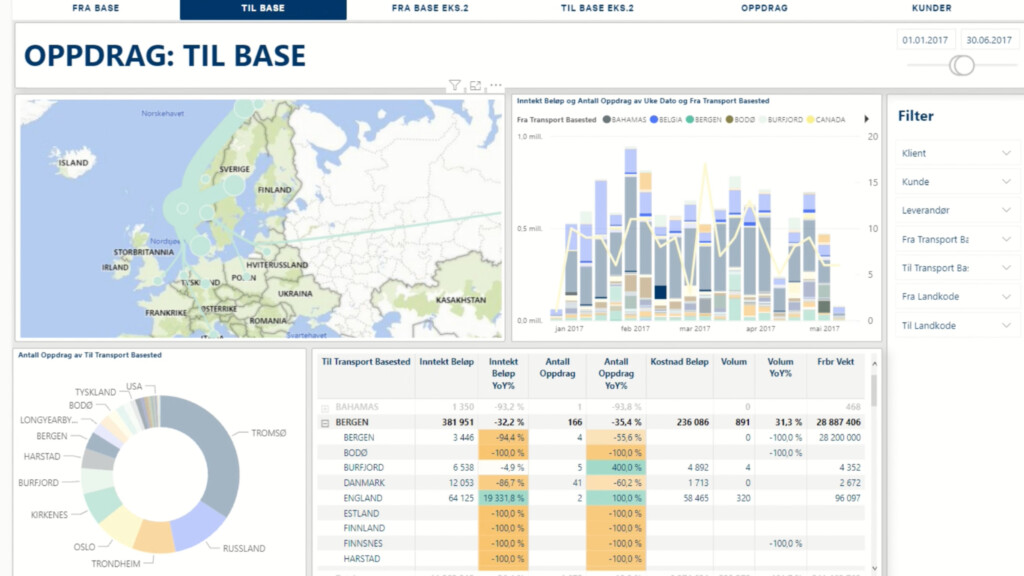
To begin, fishing companies could create a road map focusing on the immediate challenges they hope to address, such as those related to fishing efficiency, capture volatility, and fleet monitoring. To identify quick wins, companies could first assess their data stores with seafood ERP software to see what information is readily available. Most will find that they already have much relevant information on hand, including vessel-specific data on daily catch (both volume and species), GPS position, and fuel consumption. 

Rather than using this information for purely descriptive purposes—for instance, noting the average catch for each vessel during past months—fishing companies could adopt a forward-looking analytical approach with seafood ERP systems. One analysis might involve mapping fishing activity and catch rate over the course of the season to identify factors which can enhance efficiency and also reduce fuel consumption and running costs. Or rather than just tracking freight costs, companies can use seafood ERP software to track measures which analyze logistics inefficiencies and help improve their carbon footprint resulting from shipping. 

Embracing the new information economy

Although setting up measurable sustainability figures and goals may seem a daunting task, it is a journey that all companies will eventually need to address to compete in the increasingly environmentally conscious marketplace. Sustainability, just like digitalization through seafood ERP software, can save money and optimize operations. As we make the shift from the automation economy to the information economy, from traceability to sustainability—defined by the use of data and insights from seafood ERP systems for making smarter, more intelligent decisions—there’s never been a better time to embrace both.
Want to know more about how Maritech can support your sustainability journey?

Seafood Traceability 2.0 

Navigating the Seafood Traceability Landscape

Meeting modern demands with advanced solutions

In today’s market, seafood traceability goes beyond meeting basic legal requirements.

Consumers want to know that the seafood they choose is of top quality and has been responsibly produced. For you, heightened seafood traceability awareness means that more data must be collected and verified, including an ever expanding and more transparent set of checks.

Meeting and exceeding the seafood traceability challenge

Seafood products are subject to extensive regulatory programs – the Seafood Hazard Analysis Critical Control Point (HACCP), the National Shellfish Sanitation Program (NSSP), the Seafood Import Monitoring Program (SIMP), FDA tracking regulations, and more. Sorting out how all these rules align and how they can be incorporated into your existing seafood software can be confusing. Especially for small producers or traders, the burden can seem onerous and expensive.

As consumers become ever more environmentally conscious, it is clear that just meeting the minimum legal standards for fish traceability will not be enough for seafood companies to be successful in the coming years. You must be able to measure and report on how you are meeting not just the legal mandates, but also sustainability standards, set both now and as goals for the future.

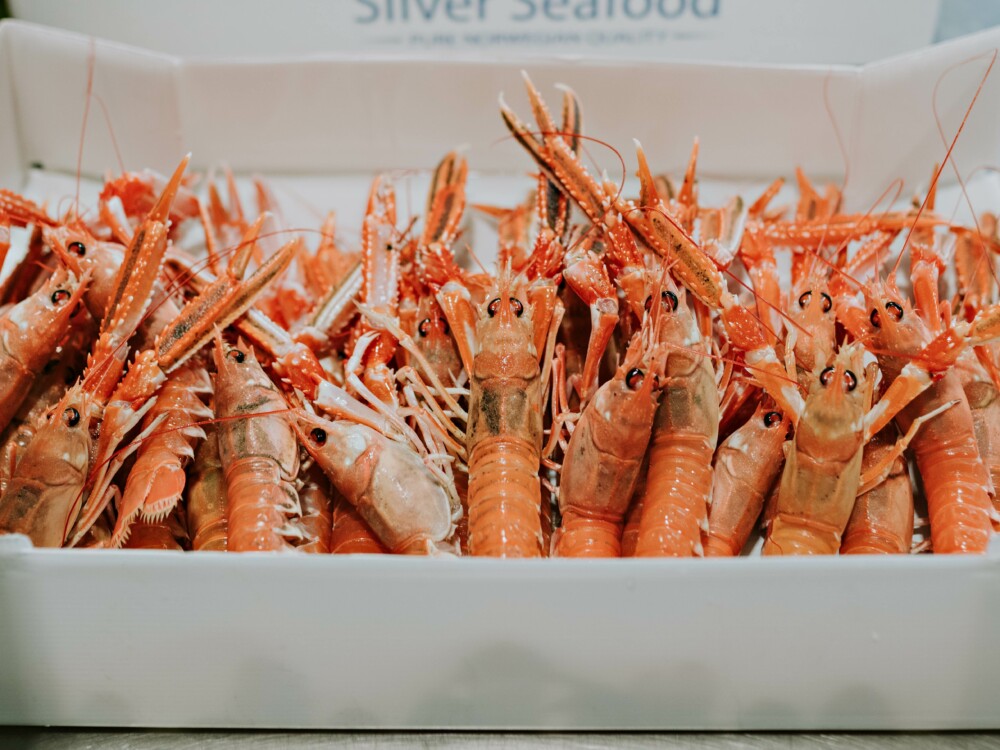
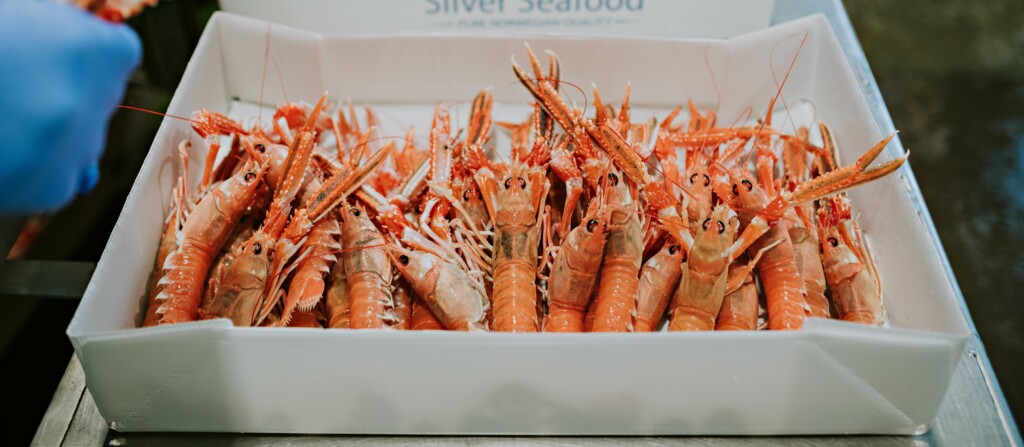
Customer case Silver Seafood - Maritech

Future proofing seafood traceability

This means that companies must have a seafood traceability system that tracks more than just basic one up one down lot traceability, but also keeps track of hard-earned certifications (such as MSC and Global G.A.P) that follow along with the fish records and provide assurance that the fish meets the most rigorous standards of being responsibly and ethically raised or caught.  

Even more stringent measures, such as the newly implemented MSC Labour Eligibility Requirements (May, 2023) that will audit against illegal and forced labour, are also becoming part of the mandatory traceability landscape. Over the next decade, it will be common for seafood traceability to include verification of tracking data acquired by satellites, used to monitor the location and movement of commercial fishing vessels to combat illegal, unreported and unregulated fishing (IUU fishing). For small producers, keeping abreast of the newest traceability requirements and providing the necessary verification can be an ever-steeper challenge.  

Maritech Quality Tracking - digital checklists linked to keys in your business system

Traceability that is trustworthy

In Maritech, traceability has been in our backbone since the 70’s, and is at the core of our position as the global leader in seafood tech. For decades, we have been in the forefront developing cost-effective tools to manage digital seafood traceability and supply-chain collaboration for seafood companies around the world. 

Landing Note information, which records the verified catch area, fishing trip dates, origin lots, and more has been an integral part of Maritech seafood software systems from the very beginning. Our uniqueness is that we cover the seafood-related processes through all of the value chain, from sea to table – with full traceability, documentation, and control. From landing or aquaculture, through production, processing, packing/labelling, sales, claims, and logistics.

Tools for tracking of MSC, Global Gap, and other major certifications are built into our seafood solutions. This means that even very small producers can comply easily and affordably with an implementation that takes weeks, and not months and years.


By creating simple and powerful cloud solutions that manage all of this information easily, integrated with your normal business transactions, we will, together, steadily and surely remove the barriers to a safer and more transparent seafood supply chain.  

And by investing in advanced seafood traceability software and maintaining rigorous standards, your seafood company will not only meet current demands but also position yourself for long-term success in a competitive and conscientious market.

Nordvest Transport

Customer Case – Maritech TMS & Firmadok

Our cloud solution, Maritech TMS, was launched in 2022, with Nordvest Transport being the first to go live after the initial pilot project.

– This has been a positive experience, and we have great confidence in the system, says Marianne Jakobsen, CEO, Nordvest Transport. She expresses her satisfaction with their decision to join from the very beginning. – It has been very educational. It’s also nice to be able to provide feedback on what can work optimally for those of us who are operational on a daily basis.

Nordvest Transport also uses Firmadok, which is integrated with Maritech TMS and Maritech Analytics, providing full vehicle information directly into the system, as well as automatic documentation of, among other things, driving and rest times.

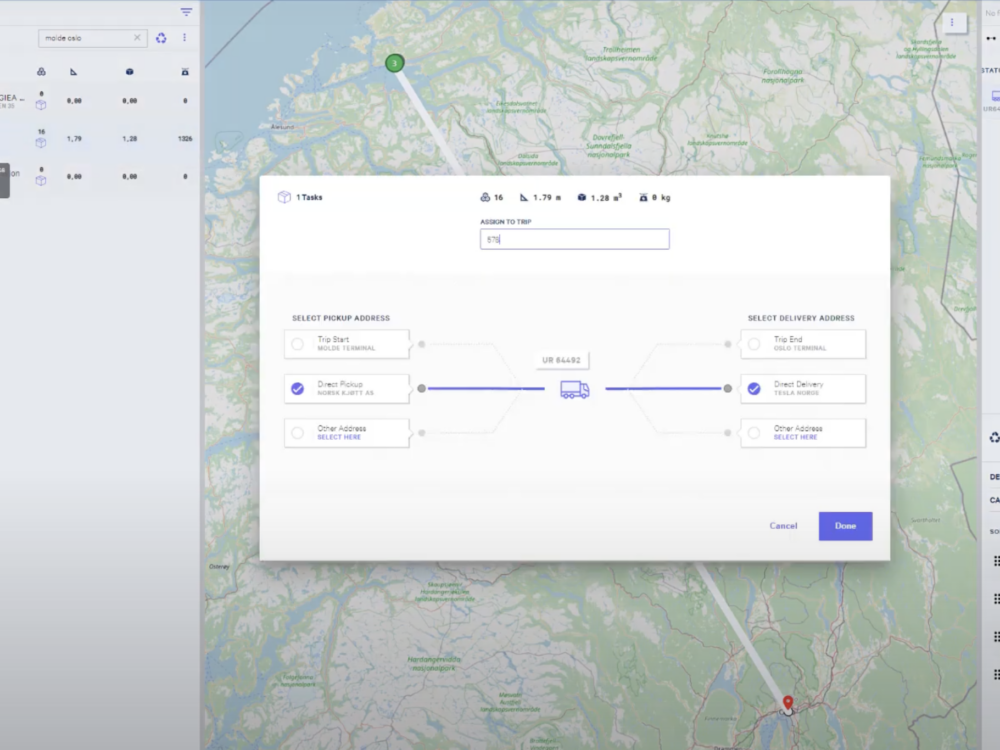
Interactive Maps + Drag & Drop

– The system is incredibly user-friendly and gives us an excellent overview of operations. The map function, both in the management list and within each task, is one of the features I appreciate the most. In addition to the simple and clear financial overview for tasks and trips, the layout itself is much more modern and organized. The search function for tasks and trips is also much easier.
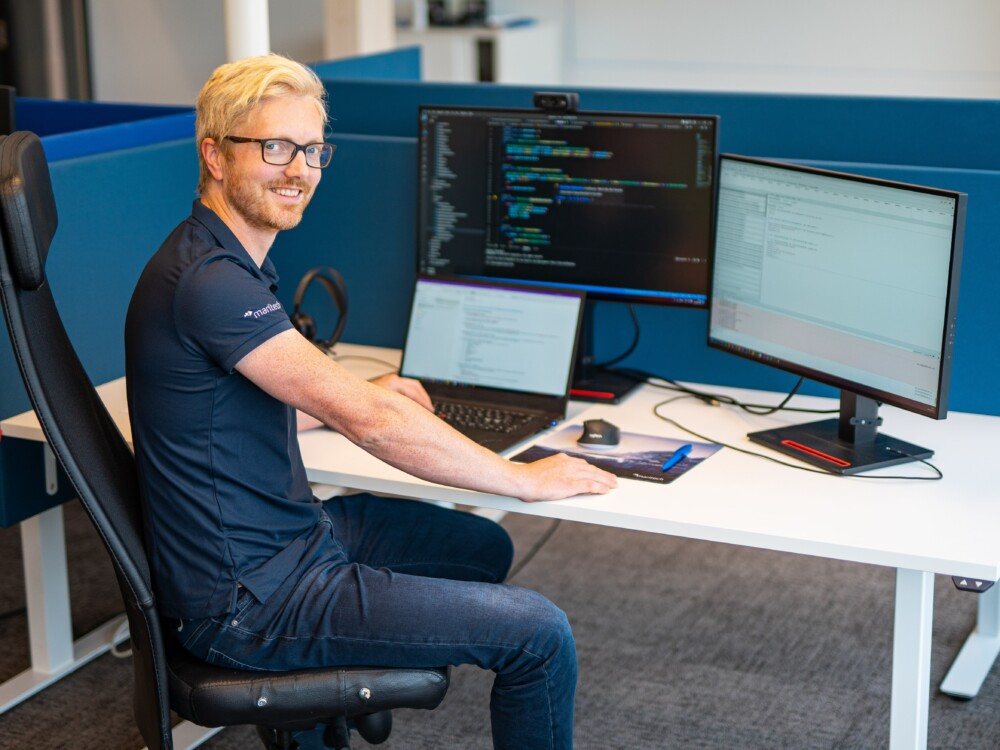
She adds: There is no doubt that Maritech TMS will be efficient and time-saving for us, making us more competitive in the long run.

Close Collaboration in the Pilot Project

During the pilot period, Nordvest Transport and Maritech collaborated closely, with meetings and discussions several times each week, both in person and via Teams. Testing and adjustments were made continuously.

Marianne praises the collaboration:

– All credit to the project team; it has been professionally managed and a good process. I would also like to give special praise to Petter (Braute, Product Owner and Developer) for being so available and efficient in following up. It has only taken minutes from when I sent him questions or information about problems that arose, to when he responded and fixed them.

First Maritech TMS customer, Nordvest Transport, is live and satisfied after the pilot project
– I am glad we chose Nordvest Transport as our first pilot, says Petter.

– Marianne has extensive experience and valuable insights, and she has invested a lot of time and effort to ensure our mutual success. Her feedback has contributed to further developing and optimizing the system, benefiting everyone. We are now well underway with our second pilot, GeSi Shipping, and look forward to sharing Maritech TMS with more customers this fall and next year. Many companies are eager to get started, and it’s great to see such high interest.

Petter Braute

– Simpler in Cloud

– There are many advantages when they switch to Maritech Cloud, he continues. – You have access to the system anywhere, anytime, with better security. You can use drag-and-drop and manage windows as you like, across multiple screens. It’s also possible to connect to other data sources.

With cloud solutions, it’s easier to get help when you’re stuck. The support team has easy access to the system and can quickly assist with any problems or questions. With traditional systems installed locally, both connectivity and system knowledge can be more challenging. With cloud solutions like Maritech TMS, you don’t need your own servers. Updates are rolled out automatically without the need for manual installation,” he concludes. “And without the need to pay consultants to do it. That’s something everyone appreciates.

Want to know more? Do not hesitate to get in touch

Samherji chose Maritech Eye 


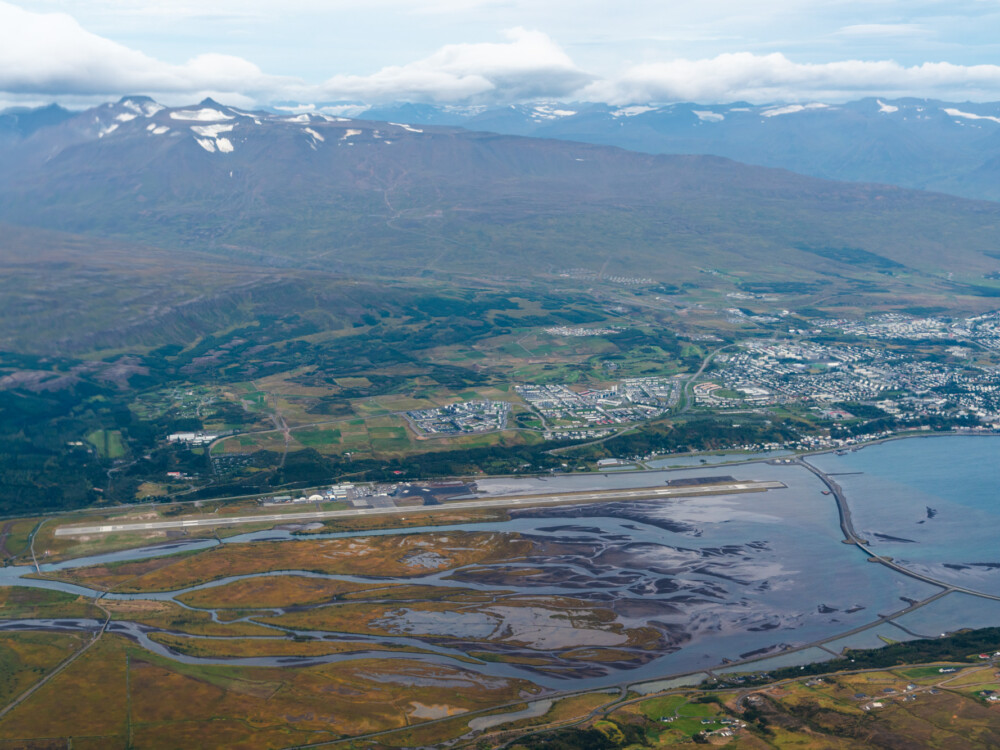
We are proud to announce that we have entered into an agreement with UA/Samherji in Iceland to install a Maritech Eye™ in their processing plant in Akureyri. 

We have been working on a business case with them for a few months that has given great results, and the first unit is now ready to be integrated in one of their processing lines. When we have gained operational experience with integrating the first system, the plan is to extend the delivery to cover their total processing operations.  

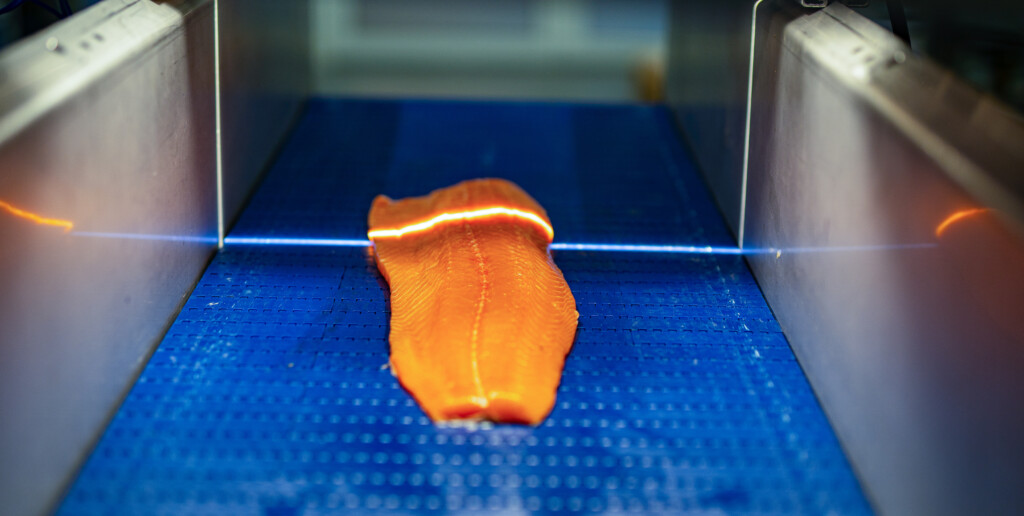
Blood, nematodes, gaping, black lining and shape

“For the last months we have been developing, with Maritech, a system that focuses on finding the main defects in fillets; blood spots, nematodes, gaping, black lining and shape deviations. The objective has been to identify the fillets that require no trimming and thus can go directly to portioning. This gives considerably more yield in production and reduces the manual workload for pre-trimming.” – says Sunneva Ósk Guðmundsdóttir, Production Manager UA.  
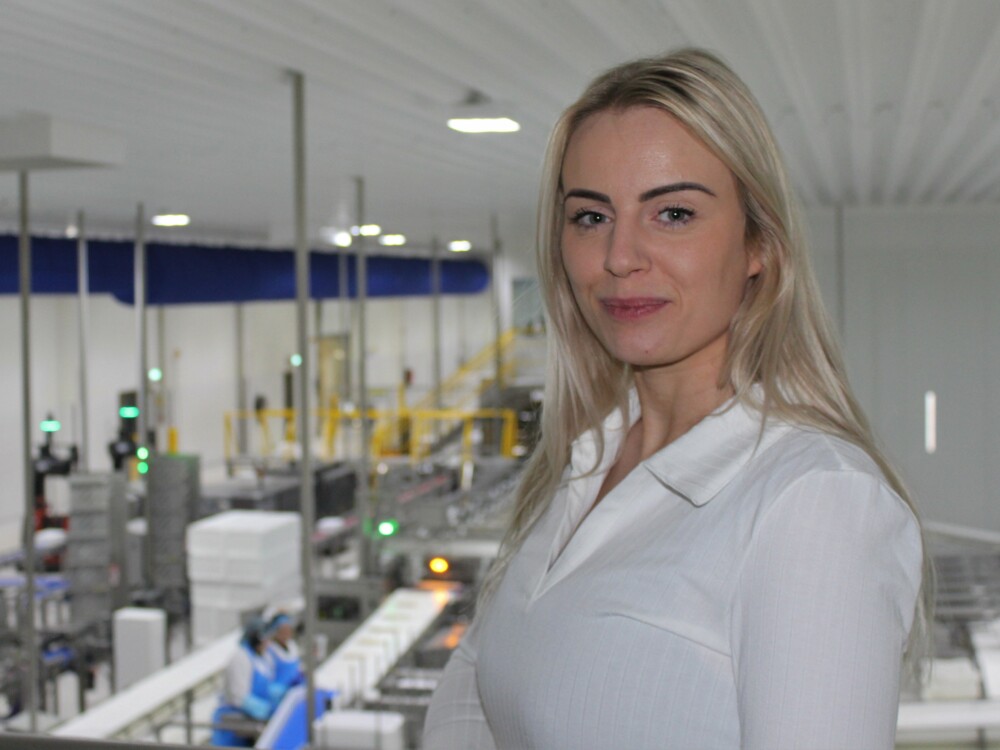
“UA/Samherji has led the way in this project the whole time and has been pioneering the commercial utilization of this technology in whitefish processing. We are grateful for our cooperation, and we are confident we can make a great difference and create considerable value for Samherji.” – says Konrad Hatlemark Olavsson, Maritech Iceland.  

Sunneva Ósk Guðmundsdóttir, Production Manager UA

Interested in knowing more?

Norwegian Customer Days 2023

It’s a wrap!

At Maritech, we believe in building strong relationships with our valued customers, and what better way to do that than by organizing our Norwegian Customer Days?

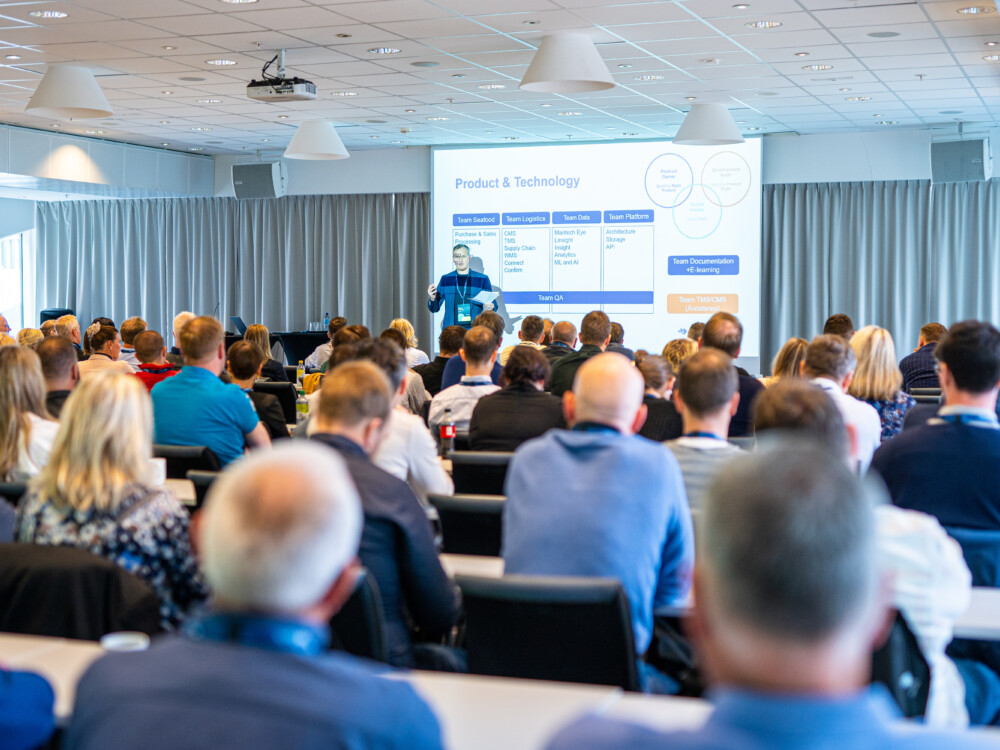
From May 31st to June 1st, we had the pleasure of hosting 86 of our customers from 51 different companies in the beautiful (and rainy) cityÅlesund. This was the first time that we gathered our seafood and logistics customers in the same event. Clearly a good choice, judging from the feedback we have got after the event, and from the fact that it was fully booked three weeks in advance. These two days were filled with enriching experiences, engaging discussions, and the opportunity to forge new and stronger connections. 
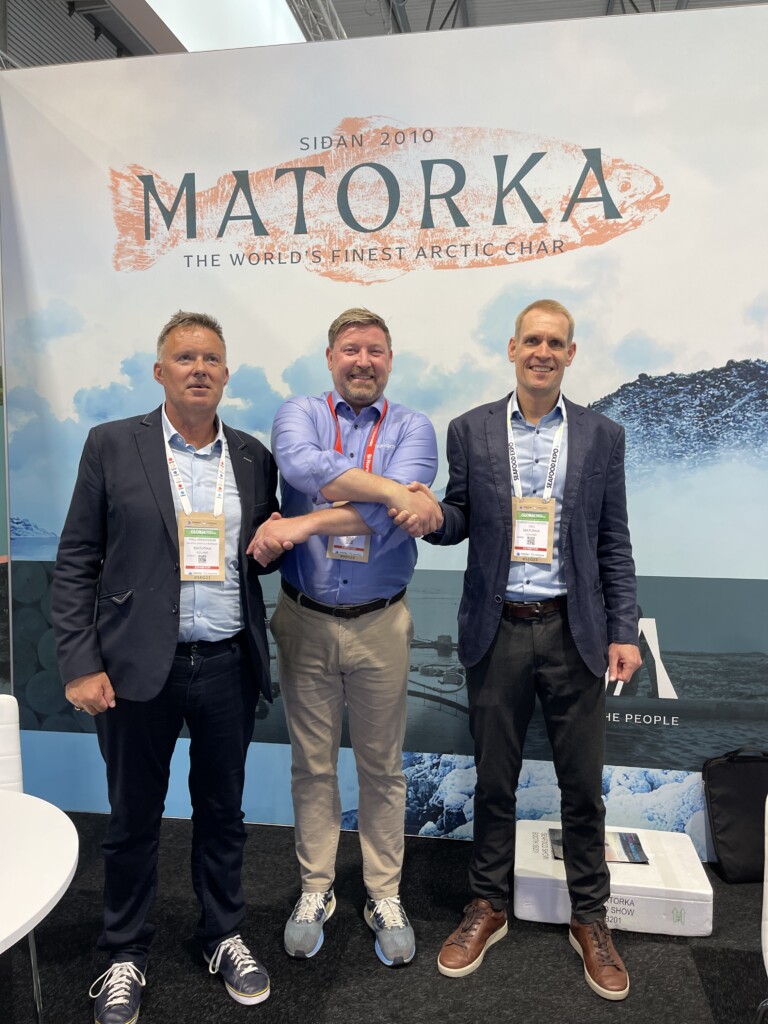
In addition to presentations from Team Maritech, the event featured notable guest speakers who shared their valuable insights. Tom-Eirik Thorgersen from Grieg Seafood talked about starting a company from scratch and being Maritech Cloud’s first major customer. Marianne Jakobsen fromNordvestTransport shared her experiences as our first TMS pilot, in conversation with our project team.

Bjrønar Customer days

Magnus Fagertun fromBrødreneKarlsen shed light on the digitization of the whitefish value chain. Petra Ruiter from Kingfish talked about their history and the decision-making process behind choosing Maritech as their ERP provider. Stian Skjelbred fromFirmadokelaborated on our new strategic logistics partnership, and ØyvindHafsøefrom the Customs Authority shared insights on digital customs clearance and new customs regulations. 

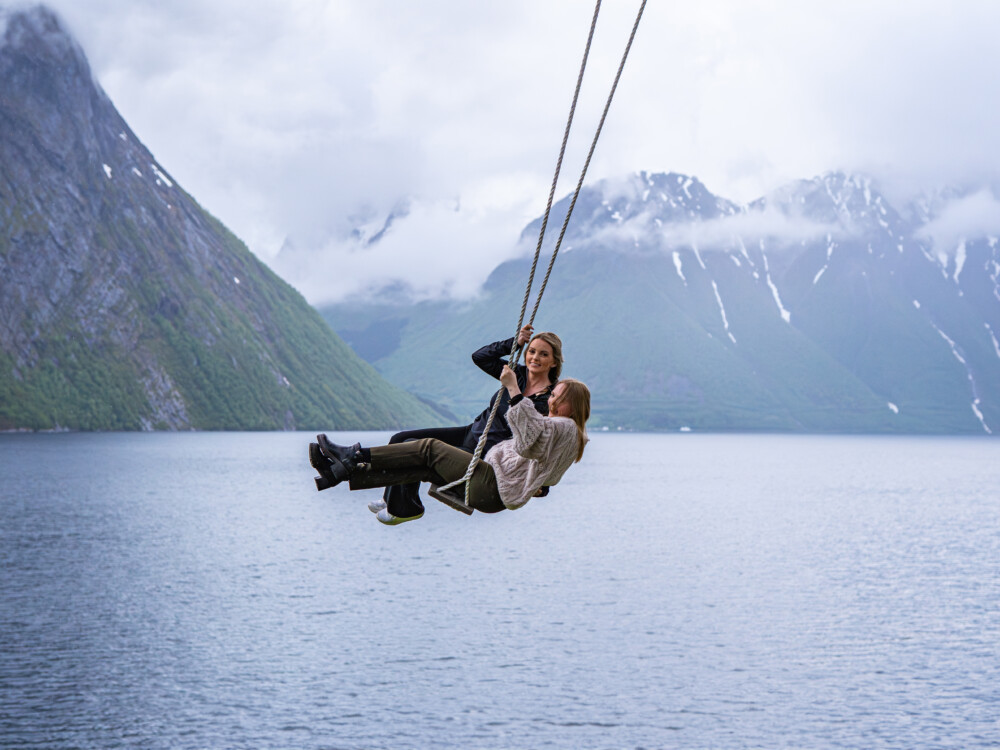
In the evening, we embarked on a boat trip through the stunningSunnmørefjords, culminating inTrandal, where we were treated to a delightful barbecue and enjoyed the musical talents of local artist Live Hanken. 
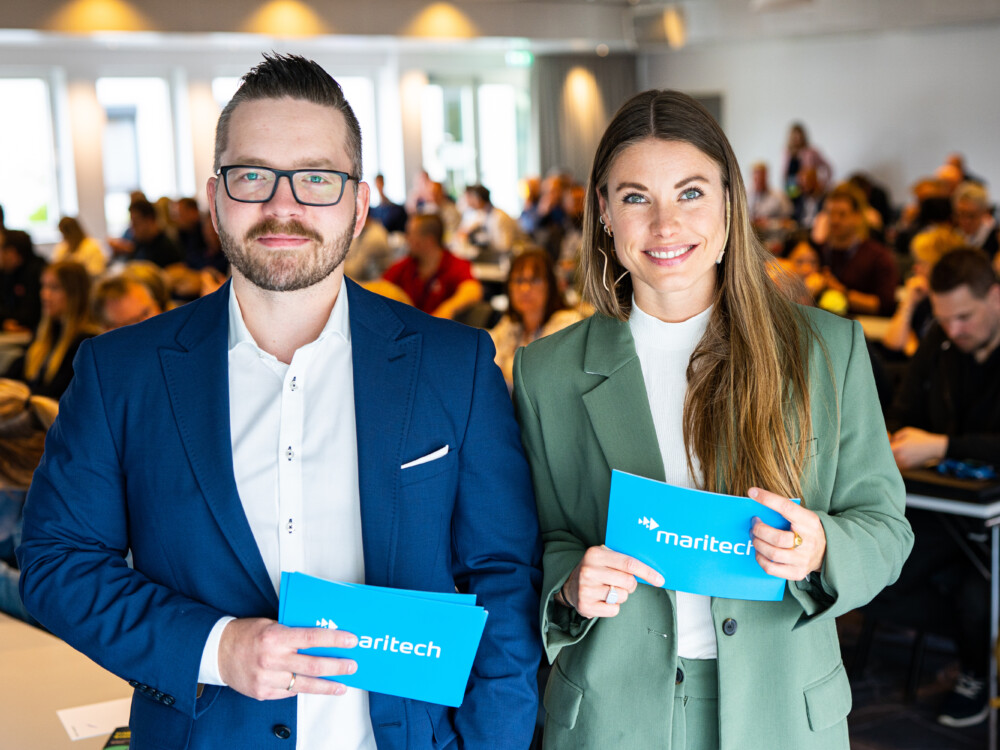
We made a little film you can watch here

From everyone in Maritech: Thank you, thank you, thank you to all our amazing customers that made these two days so memorable! 

Christian & Frida Customer days 2023

Watch the Norwegian Customer Days 2023 program here