AnT Seafood

Customer case – Maritech Purchase & Sales


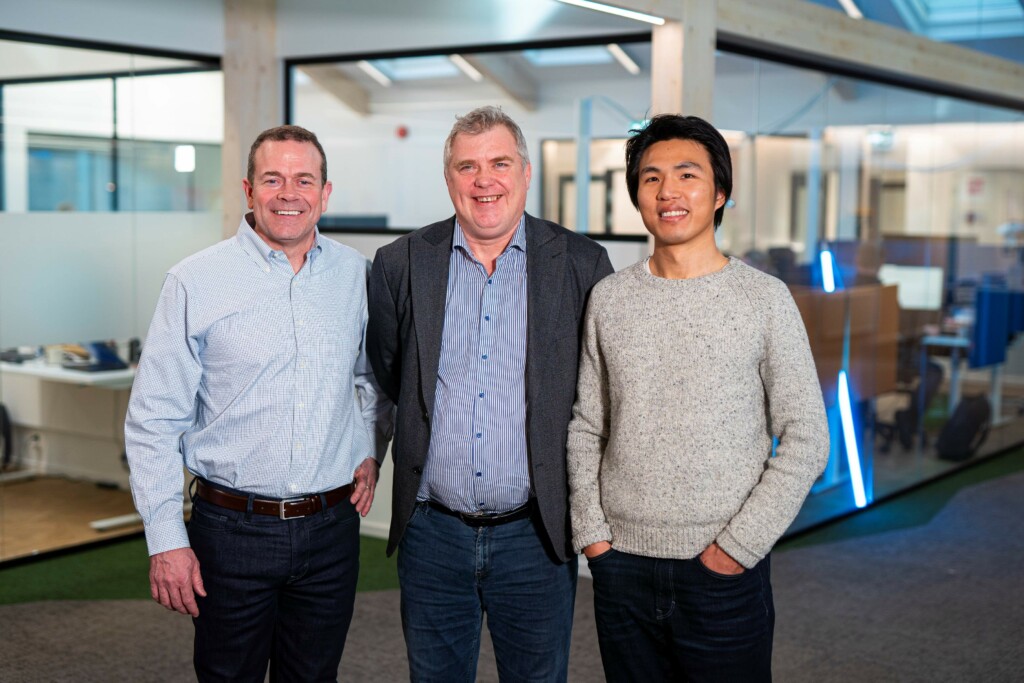
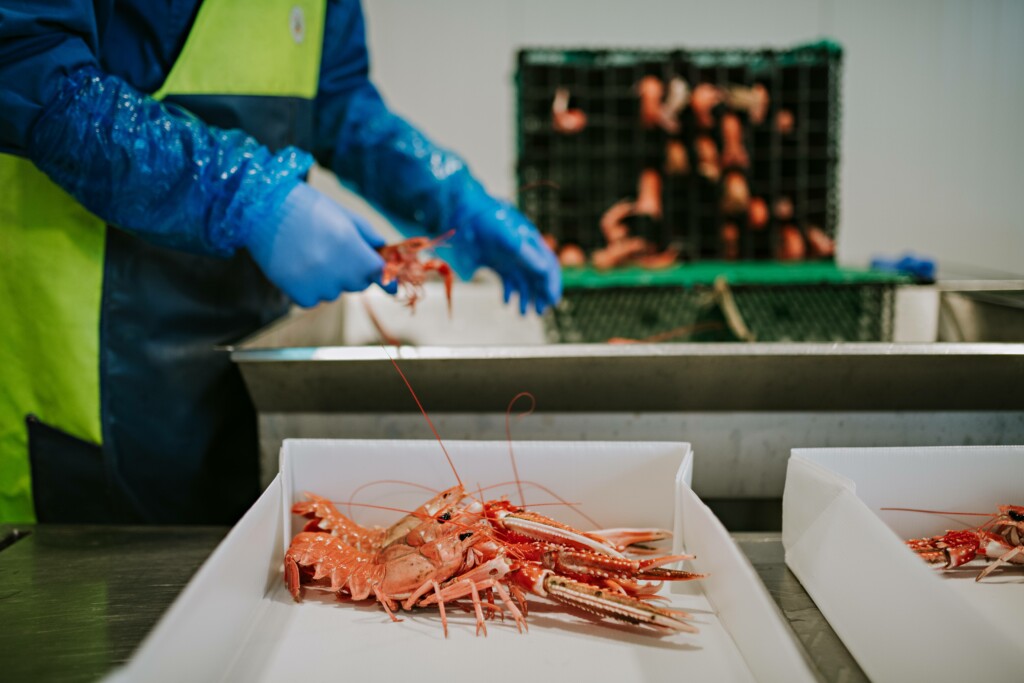
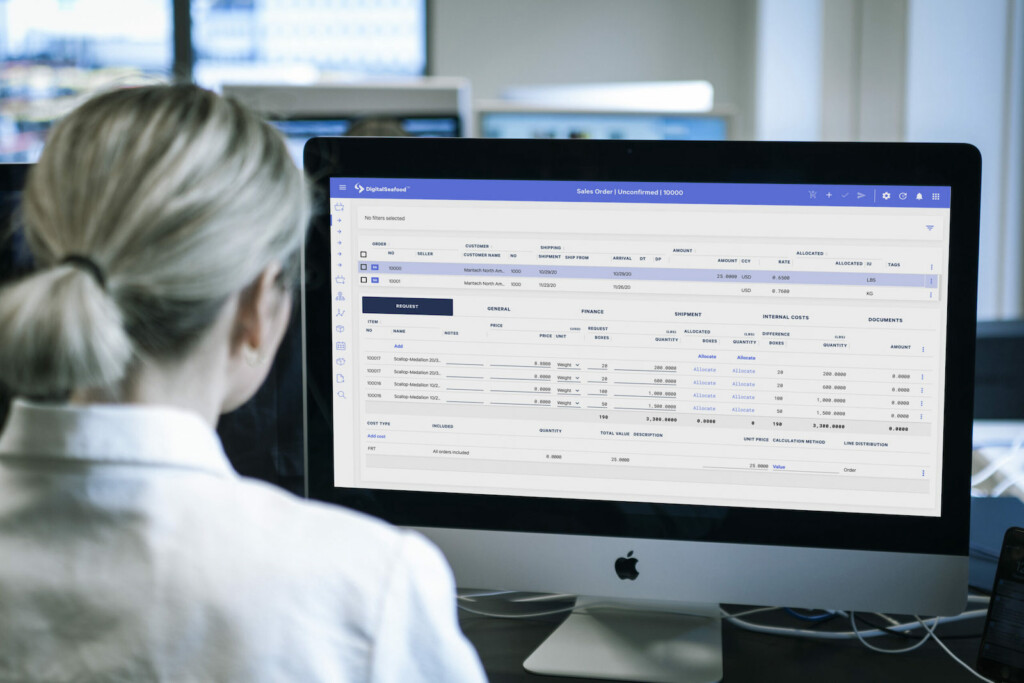
AnT Seafood B.V. has completed its move to Maritech Purchase & Sales, becoming the first company in the region to implement the cloud-based ERP solution. The project represents a major step for AnT Seafood B.V as it invests in efficiency, scalability, and digital transformation

Based in Urk, the Netherlands, AnT has been looking for a modern ERP solution that could streamline everyday processes, strengthen operational control, and provide reliable support for the company’s long-term ambitions. The seafood industry is highly competitive, and efficiency and transparency across the value chain are increasingly important. By moving to Maritech Cloud, AnT gains a flexible platform designed specifically for seafood businesses, enabling improved workflows, better data insight, and greater scalability for the future. Reflecting on the journey, the company highlights the impact already being seen:

“We are now in the final phase of the implementation and are convinced this ERP solution will mark a significant step forward in our daily operations. If we had to summarize Maritech in two words, it would be: professional and supportive”

Klaas Korf, AnT Seafood.
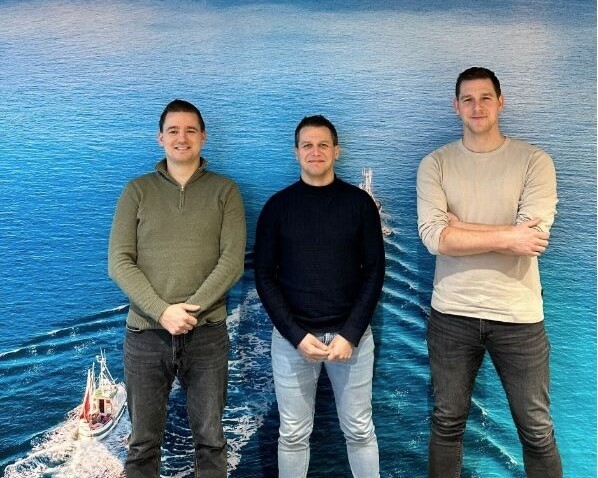
The roll-out has progressed according to plan, with a close and constructive collaboration between the teams. Klas Vangen, GM Europe & Asia in Maritech, underlined the significance of the partnership:

“We are extremely happy to have AnT live on Maritech Cloud. AnT is our first customer in Urk, and we could not have got any better company as the first one. They are forward leaning, with great people who are proactive in making change happen. We look forward to a strong journey together.”

Urk is widely recognized as one of Europe’s most important seafood hubs, with a strong tradition of quality, deep industry knowledge, and close ties to Norwegian suppliers. By choosing Maritech Cloud, AnT is taking an active role in shaping the digital transformation of the seafood industry, while strengthening its position in an increasingly competitive market. The collaboration highlights both the scalability of Maritech Cloud and the willingness of seafood businesses to invest in digital solutions that can support long-term growth.
Would you like to know how we can help you improve your margins and efficiency?

A year of growth for Maritech Iceland

“We have a strong brand and product-market fit in both the fishing and aquaculture industry in Iceland” says Konráð Hatlemark Olavsson, Country Manager, Maritech.

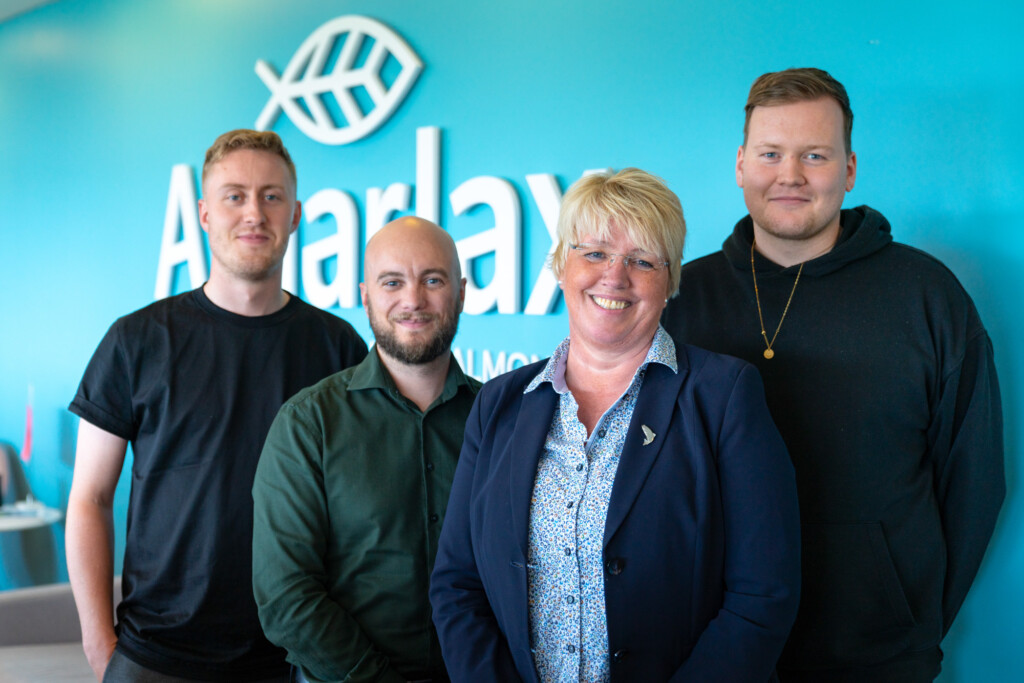
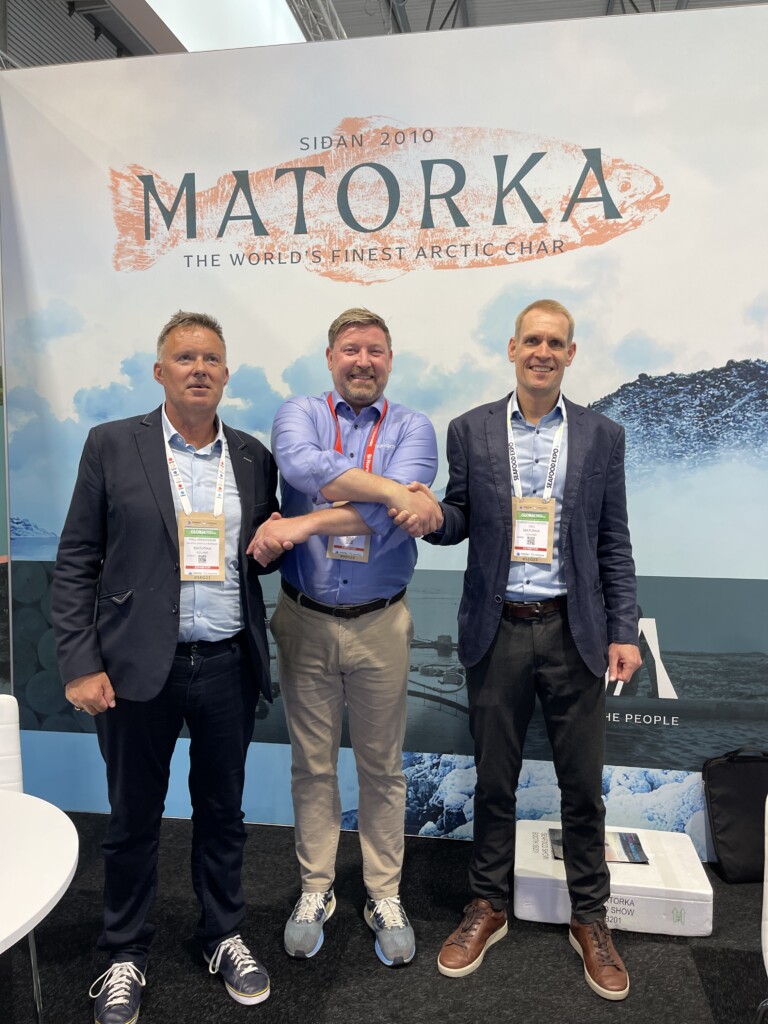
In 2023, we really proved our solid position in Iceland. Key highlights of the year was the successful Maritech Cloud project at Arnarlax, Maritech Eye at UA/Samherji and UR Seafood, and the ongoing Maritech Cloud and Packing project with Matorka.

“The Icelandic seafood industry has been evolving over the decades, transitioning from being driven by manual labor to becoming digitalized and automated. All this new technology requires precise control and coordination. It is the role of companies like ours to make things easier and ensure that managers have the best access to clear information, automated documentation and user-friendly tools.

In fisheries, the need for data collection and processing begins at the quota level. Then, software is needed to monitor the catches, record their progress, and notify the relevant parties. Landing, processing, utilization, packaging, storage, sales, transportation, and traceability – all these are things that need to be recorded and managed. Within the aquaculture segment, we can help our customers ensure efficient handling of all processes from harvest to plate, with automated documentation through the value chain.”

We have satisfied reference customers and a lot more to offer the seafood industry in Iceland. We are looking forward to further growth and new milestones in 2024.

The Future of Seafood

Bonus Episode 2: What are the consequences of poor data security?

In this episode

In this episode, we sit down with Olumide, our cloud operations consultant and cybersecurity specialist, with a PhD in the field. Olumide shares his insights to the critical importance of robust data security measures for businesses.

Olumide’s message is clear: having reliable and robust disaster recovery solutions empowers organizations to confidently confront potential cyber threats, essentially telling hackers to “back off.”


Link to the episode on spotify (videopodcast) here

Link to the episode on Apple Podcast here

How to defend yourself against cybersecurity threats?

He also highlights the vulnerability of on-premises solutions, cautioning that businesses operating within this framework are likely already compromised or at risk of being hacked. He advocates for the proactive migration of assets to the cloud as a crucial step towards enhancing security.

In the best-case scenario, Olumide suggests rethinking solution design to embrace cloud-native architectures. By doing so, businesses can better defend against cybersecurity threats and ensure their systems are well-prepared to quickly recover in the event of a successful attack.

Data Security Podcast

About the podcast:

This is the podcast where we cut through the noise and ask the questions everyone’s truly curious about. In this podcast, we delve deep into the seafood industry, exploring what sets successful leaders apart, what differentiates them, and why they thrive. Join us as we uncover their unique stories, discussing the challenges they’ve overcome and the key factors that contribute to their success. We sit down with both big and small players that are shaping the seafood industry today.

What to listen to next:

How Grieg Seafood plans to double their production and produce 150 000 tons of salmon:

What are the risks of postponing seafood automation?

How is Myre Fiskemottak approcahing the increasing challenges in the whitefish industry?

Meet our Customer Success Team


As part of our continuous growth in both existing and new markets, we have now established our own Customer Success team.

There has been high speed in acquiring new clients and successfully converting existing customers to our modern Maritech Cloud solution. This growth demands more from us to ensure customer satisfaction. We see substantial untapped potential in customer development and believe that our new Customer Success team will play a key role in turning customers into loyal fans.


Thanks to our substantial efforts in streamlining deliveries, we have also empowered our services organization with the capacity to handle numerous complex projects simultaneously across all core markets and segments.

Combined with the big leaps we have made towards self-service and enhancing our user experience through the launch of our new help center and E-learning platform, we are confident this will bring ongoing success to our Cloud customers.

Read about how we are Driving customer transition from On-Premise to Cloud.

Maritech Invoice Management

The team

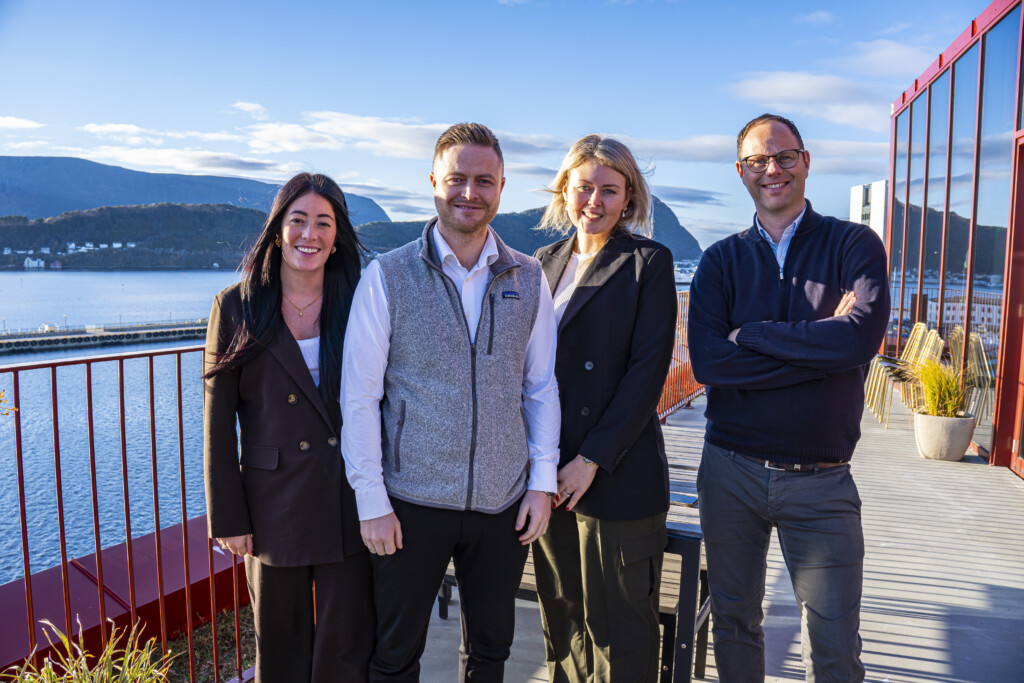
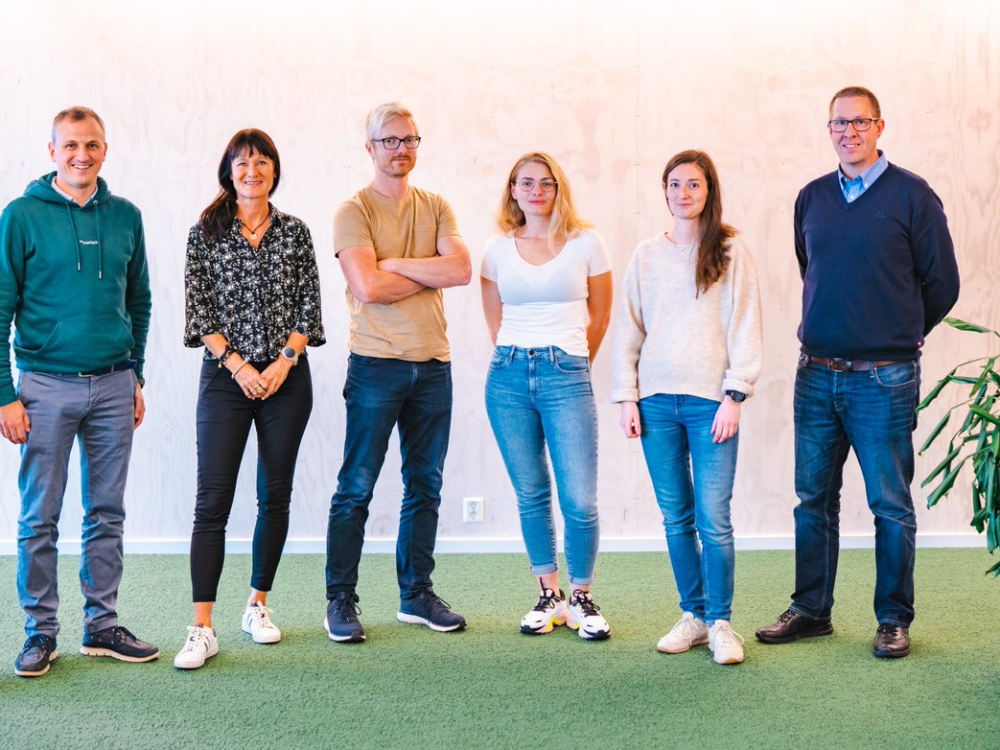
Tone Mykløy Helseth and Frida Svendsen will be at the forefront, understanding our customers and their needs, offering expert guidance where it’s needed, and most importantly, helping them reach the full potential of our products.

We are still in the early stages of refining this approach, but we are confident it will bring significant value to our Cloud customers.

Read about some of our customers here.

The Future of Seafood

Episode 2: How one of Norway’s biggest landing facilities is approaching challenges in the whitefish industry 

In this episode

It’s been hard times for the whitefish industry, and it doesn’t seem to stop.

How did one of Norway’s biggest landing facilities get to where they are today, and how are they using their northern mindset to handle the challenges they are facing today?

Resilience and adaptibility…


Link to the episode on spotify (videopodcast) here

Link to the episode on Apple Podcast here

Episode description:

How is Myre Fiskemottak approcahing the increasing challenges in the whitefish industry?

In a time of uncertainty for the whitefish industry, we get a look into the unique perspective of Myre Fiskemottak on the challenges ahead. With decreasing quotas, heightened competition, and shrinking margins, how does Myre Fiskemottak position itself amidst these adversities?

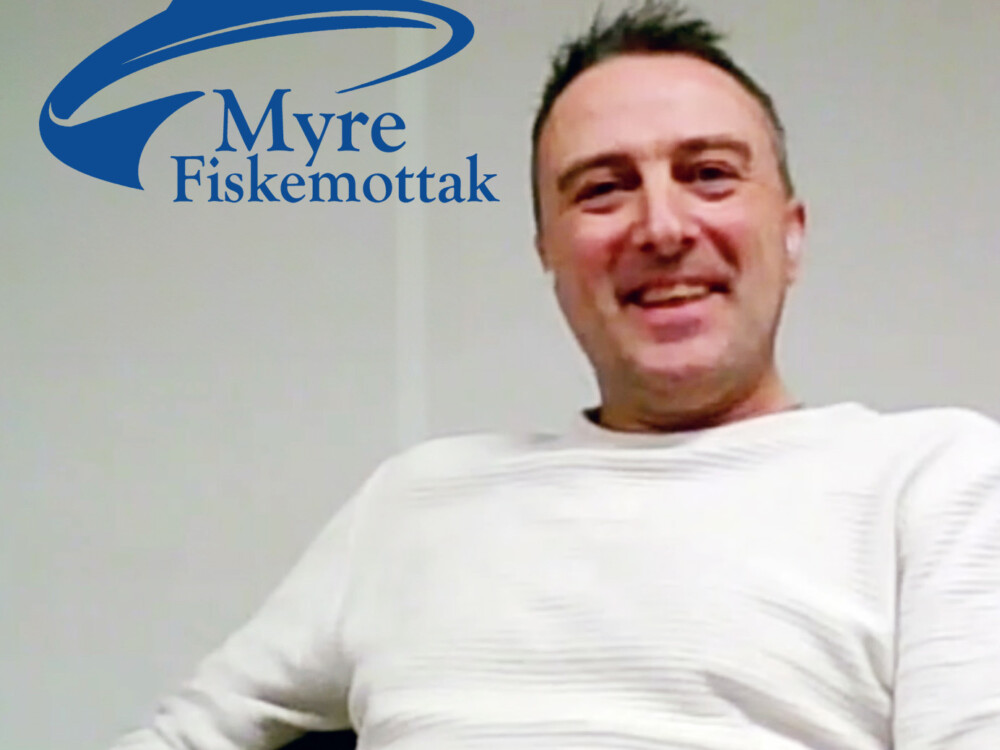
Join us in this episode with Kai Freddy Evensen from Myre Fiskemottak, one of norways biggest landing facilities. They are based in Øksnes in the North of Norway and specializes in white fish. We’ll uncover the insights behind their resilience and adaptability through the years and the strategies they employs to fortify their market stance.

From innovative technologies to operational integrations, we explore how this enhances efficiency and uphold quality. As we look into the future, we get the secrets to success in the whitefish industry, not just in the tumultuous landscape of 2024 but also in the years to come. Have a listen!

About the podcast:

This is the podcast where we cut through the noise and ask the questions everyone’s truly curious about. In this podcast, we delve deep into the seafood industry, exploring what sets successful leaders apart, what differentiates them, and why they thrive. Join us as we uncover their unique stories, discussing the challenges they’ve overcome and the key factors that contribute to their success. We sit down with both big and small players that are shaping the seafood industry today.

What to listen to next:

How Grieg Seafood plans to double their production and produce 150 000 tons of salmon:

What are the risks of postponing seafood automation?

Don’t miss out on news, sign up for our newsletter!

Nordlaks

Customer case – Maritech Purchase & Sales


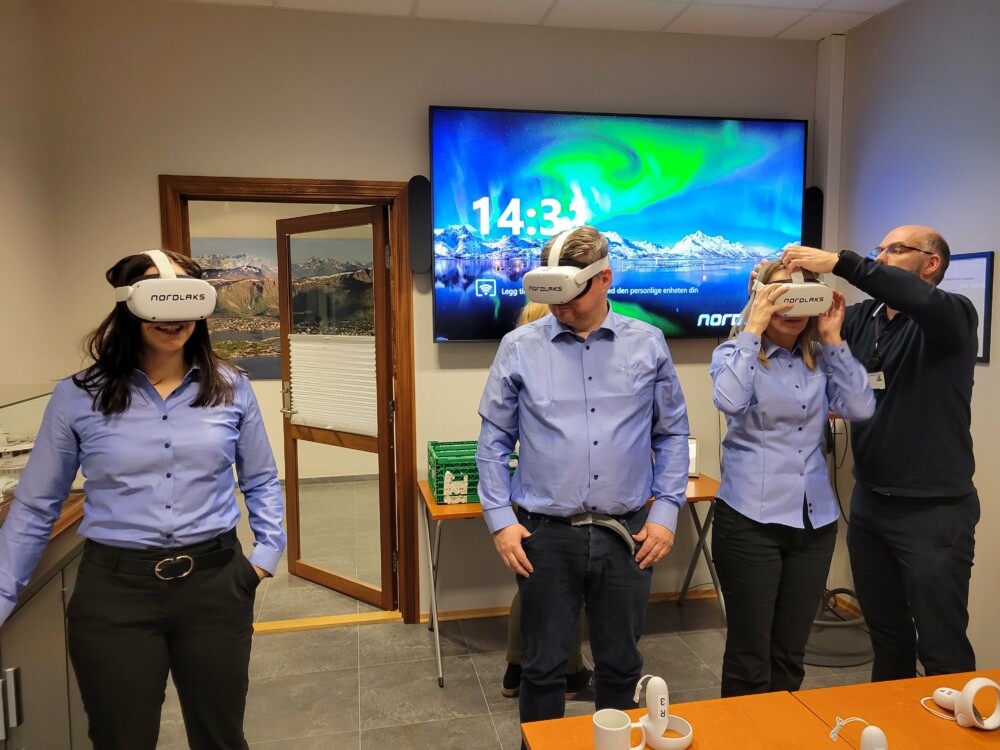
We love working with Nordlaks, and we’re thrilled that they 💙 Maritech Purchase & Sales.

“The solution has met our expectations. We are able to measure our performance in great detail and at all levels,” says Eirik Nikolaisen, Chief Commercial Officer.

This helps us make the right choices in the market and improve our earnings. Maritech Cloud also offers an architecture that provides excellent opportunities for integration with other systems. It is a reassurance for the future.”

A smooth implementation process

“Nordlaks initiated a project in autumn 2022 to choose a new trading solution for salmon sales. Our old platform was not future-oriented, and we required new functionalities that would have necessitated significant further development,” Nikolaisen continues.

“We conducted an evaluation of potential solutions in the market, and our choice ultimately fell on Maritech. The decision was relatively easy, as Maritech offered a modern architecture, solutions, and functionalities that perfectly aligned with our needs.

“The implementation process itself was impressively smooth and well-structured. Maritech had a clear implementation methodology and highly competent employees, which allowed us to go live in approximately 2.5 months.” 

From day one, it has been a pleasure to collaborate with you, Team Nordlaks! We are a proud partner and eagerly look forward to supporting your future growth!

AnT Seafood B.V.

Would you like to know how we can help you improve your margins and efficiency?

About Nordlaks

For over 30 years, Nordlaks has been one of Norway’s largest salmon producers, and today they are exporting fresh and frozen salmon + value-added products to more than 40 countries around the world.

Their focus is on continuously improving every step of the value chain. Through the development of new technology and innovative production methods, they create not only new solutions for their own business but also for the entire industry.

Nordlaks is dedicated to driving the industry forward and contributing to sustainable growth in Norwegian salmon production.

From seafood traceability to seafood sustainability 

– The seafood industry’s shifting metrics  

The seafood industry has witnessed a shift from isolated seafood traceability efforts to comprehensive global standards for data collection and sharing, with a growing focus on sustainability.

Traceability and seafood transparency have moved from fringe to core; from initial efforts focused on a few traceability vendors helping companies track and trace within their own operations to global standards for end-to-end data collection and sharing. The aquaculture and wild caught fisheries sectors have both seen growth and innovation in standards and certifications. 

Originally, the focus was on technology for data capture within seafood companies. Over time, tracking and tracing efforts expanded from technology-oriented solutions for individual companies to a greater focus on system-level approaches, including the implementation of seafood ERP software to handle major national and international policy developments, technologies aimed at large-scale monitoring of vessels, and industry-led standards for traceability. Online reporting platforms also help stakeholders engaged in markets-based initiatives to track activity more effectively. With the advent of cloud applications, sharing critical data points to follow the fish records has become much easier as interoperability between systems is no longer an issue.

As both systems to capture seafood traceability data and the scope of data to be tracked have advanced, so too has the dialogue surrounding what should be measured and communicated evolved. Beyond simple one up one down traceability regulated by governmental regulation, and quality measures regulated by quality certification schemes, with climate change now front and center on the world stage, companies, especially in the seafood sector, will increasingly need to use seafood ERP solutions to formulate sustainability plans and measure their progress.

As climate change gains prominence, companies in the seafood sector are under pressure to develop sustainability plans and measure their progress. Customers, investors, and regulators are major drivers for sustainability investments.

Increased investment in sustainability

A Gartner survey (November 2022) revealed that 87% of business leaders expect to increase their organization’s investment in sustainability over the next two years. Customers are the primary stakeholder group creating pressure for organizations to invest or act on sustainability issues, followed by investors (60%) and regulators (55%). This is especially true of demands being placed on seafood suppliers by grocery retailers.

More than 90% of the North American seafood grocery retail market is now covered by buyer partnerships with sustainable sourcing NGOs. In Canada, five of the top 10 grocery retailers, representing more than 90% of the retail market, are engaged in NGO partnerships.

Five EU retailers with sustainable seafood partnerships account for 68% of the top 10 total sales, in contrast to 2017, when four retailers with partnerships accounted for 44% of top 10 total sales.

(Source – 2022 Progress Toward Sustainable Seafood – By the Numbers).

While mostly these NGO partnerships revolve around certification programs (MSC and Global GAP, for example), both the focus of the sustainability verifications and the mandates of the certification programs themselves are gradually broadening to include social and climate impact measures.


Poorly defined sustainability metrics

Sustainability is a common goal and catchphrase used in conjunction with seafood, but the metrics used to determine the level of sustainability have often been poorly defined. Although the conservation statuses of target or nontarget fish stocks associated with fisheries are closely scrutinized, the relative climate impacts of different fisheries are only now coming into play. Seafood traceability, supported by seafood ERP software, will inevitably soon need to not only provide traceability to prove that fish is from a sustainably accredited fishery or farm, but companies will increasingly need to use seafood ERP systems to develop strategies for measuring and improving on their carbon footprint.

Optimizing sustainability with seafood ERP

Analytics and data analysis are critical to developing and measuring sustainability progress, especially when leveraging seafood ERP software.

Although the seafood carbon footprint is already lower than that of most other proteins, there are opportunities to reduce that footprint. For example, in catching (fuel use), in aquaculture (feed), and in the transport supply chain (air freight and logistics planning). Another important area is in utilization of raw material – maximizing yield and reducing waste are inextricably linked. To effectively measure and understand the complicated mix of factors that tell the whole picture, advanced analytics within seafood ERP systems are essential. For example, measuring the trade-off that may exist between meeting climate goals and fish conservation goals. What is the best strategy for fleets that employ more selective fishing gears (e.g., troll gear with relatively low rates of bycatch), but that may consume more fuel per quantity of fish caught than less selective gears (e.g., purse seine and longline gear with relatively high rates of bycatch). Optimizing both of these factors is most effectively quantified by advanced analytics provided by seafood ERP software.

To begin, fishing companies could create a road map focusing on the immediate challenges they hope to address, such as those related to fishing efficiency, capture volatility, and fleet monitoring. To identify quick wins, companies could first assess their data stores with seafood ERP software to see what information is readily available. Most will find that they already have much relevant information on hand, including vessel-specific data on daily catch (both volume and species), GPS position, and fuel consumption. 

Rather than using this information for purely descriptive purposes—for instance, noting the average catch for each vessel during past months—fishing companies could adopt a forward-looking analytical approach with seafood ERP systems. One analysis might involve mapping fishing activity and catch rate over the course of the season to identify factors which can enhance efficiency and also reduce fuel consumption and running costs. Or rather than just tracking freight costs, companies can use seafood ERP software to track measures which analyze logistics inefficiencies and help improve their carbon footprint resulting from shipping. 

Embracing the new information economy

Although setting up measurable sustainability figures and goals may seem a daunting task, it is a journey that all companies will eventually need to address to compete in the increasingly environmentally conscious marketplace. Sustainability, just like digitalization through seafood ERP software, can save money and optimize operations. As we make the shift from the automation economy to the information economy, from traceability to sustainability—defined by the use of data and insights from seafood ERP systems for making smarter, more intelligent decisions—there’s never been a better time to embrace both.

Want to know more about how Maritech can support your sustainability journey?

Nordvest Transport

Customer Case – Maritech TMS & Firmadok

Our cloud solution, Maritech TMS, was launched in 2022, with Nordvest Transport being the first to go live after the initial pilot project.

– This has been a positive experience, and we have great confidence in the system, says Marianne Jakobsen, CEO, Nordvest Transport. She expresses her satisfaction with their decision to join from the very beginning. – It has been very educational. It’s also nice to be able to provide feedback on what can work optimally for those of us who are operational on a daily basis.

Nordvest Transport also uses Firmadok, which is integrated with Maritech TMS and Maritech Analytics, providing full vehicle information directly into the system, as well as automatic documentation of, among other things, driving and rest times.

Interactive Maps + Drag & Drop

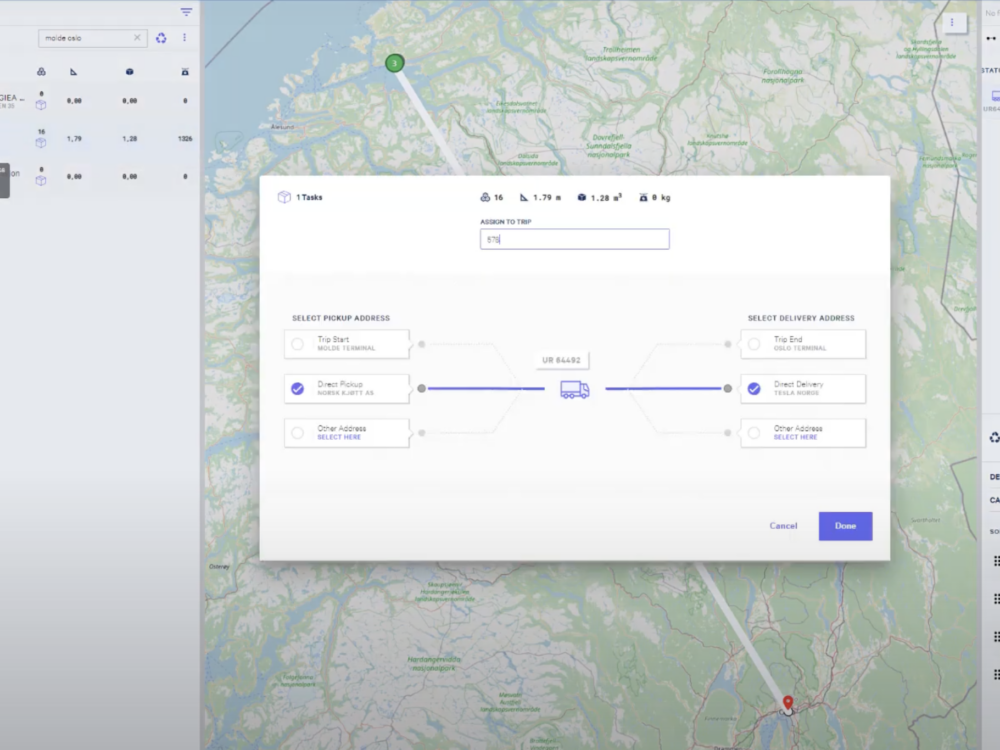
– The system is incredibly user-friendly and gives us an excellent overview of operations. The map function, both in the management list and within each task, is one of the features I appreciate the most. In addition to the simple and clear financial overview for tasks and trips, the layout itself is much more modern and organized. The search function for tasks and trips is also much easier.

She adds: There is no doubt that Maritech TMS will be efficient and time-saving for us, making us more competitive in the long run.

Close Collaboration in the Pilot Project

During the pilot period, Nordvest Transport and Maritech collaborated closely, with meetings and discussions several times each week, both in person and via Teams. Testing and adjustments were made continuously.

Marianne praises the collaboration:

– All credit to the project team; it has been professionally managed and a good process. I would also like to give special praise to Petter (Braute, Product Owner and Developer) for being so available and efficient in following up. It has only taken minutes from when I sent him questions or information about problems that arose, to when he responded and fixed them.

First Maritech TMS customer, Nordvest Transport, is live and satisfied after the pilot project
– I am glad we chose Nordvest Transport as our first pilot, says Petter.

– Marianne has extensive experience and valuable insights, and she has invested a lot of time and effort to ensure our mutual success. Her feedback has contributed to further developing and optimizing the system, benefiting everyone. We are now well underway with our second pilot, GeSi Shipping, and look forward to sharing Maritech TMS with more customers this fall and next year. Many companies are eager to get started, and it’s great to see such high interest.

Petter Braute

– Simpler in Cloud

– There are many advantages when they switch to Maritech Cloud, he continues. – You have access to the system anywhere, anytime, with better security. You can use drag-and-drop and manage windows as you like, across multiple screens. It’s also possible to connect to other data sources.

With cloud solutions, it’s easier to get help when you’re stuck. The support team has easy access to the system and can quickly assist with any problems or questions. With traditional systems installed locally, both connectivity and system knowledge can be more challenging. With cloud solutions like Maritech TMS, you don’t need your own servers. Updates are rolled out automatically without the need for manual installation,” he concludes. “And without the need to pay consultants to do it. That’s something everyone appreciates.

Want to know more? Do not hesitate to get in touch

Nasdaq Benchmarking Report

– Benchmark your Prices Against the Nasdaq Index 


How strong is your pricing strategy? Benchmarking has never been easier.

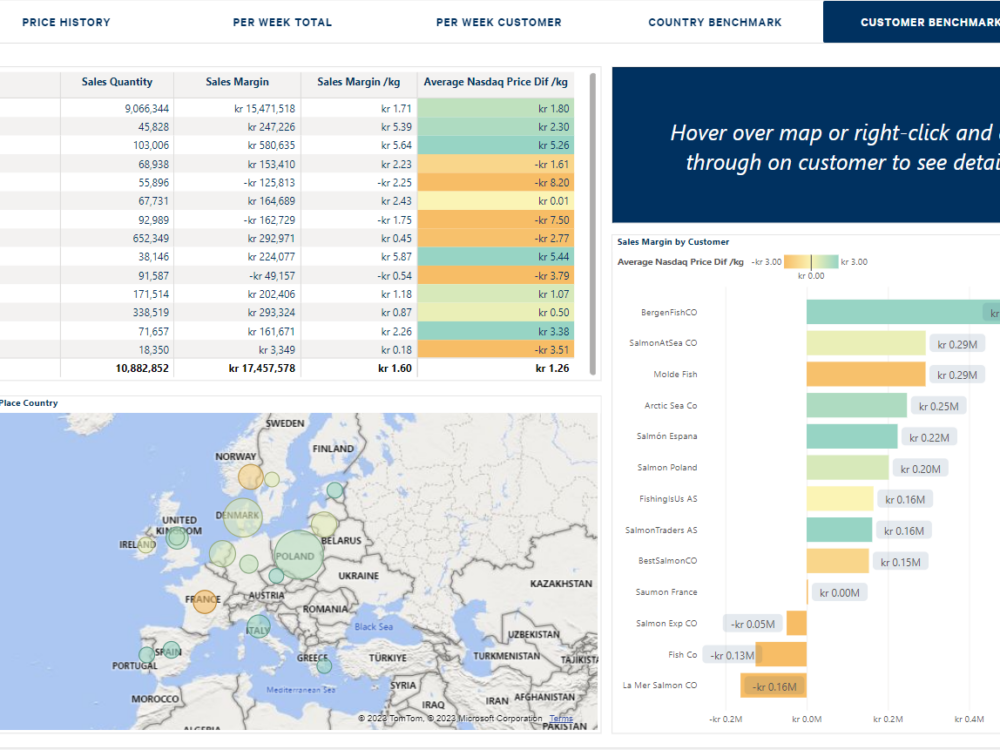
Our new Nasdaq Benchmarking Report is designed to easily help you compare your achieved prices against the Nasdaq index – fully automated and without the need for Excel sheets or other manual processes. 


Easy to get started

Setting up the report is quick and easy, as it is fully automated and relies on data directly from our existing systems. The system compares these data against the Nasdaq index through Maritech Analytics, and you get the full overview with dashboards and graphs. This means less time spent on manual processes and better decision-making based on accurate data.

A Critical Tool

The Nasdaq Benchmarking Report has already garnered positive feedback from our customers. 

See why Grieg Seafood has found it to be highly valuable for their decision making. “We save time and get highly valuable insights into pricing trends across various markets and sizes.” Piotr C. Wingaard, Business Development Director at Grieg Seafood.

Make better-informed decisions

Overall, the Nasdaq Benchmarking Report is set to revolutionize the way you benchmark your prices and make better-informed decisions based on reliable data.

Are you curious to know more about the features of the report? Don’t hesitate to contact us by leaving your email in the box below – we would love to talk nerdy to you!

Want to know more? Let us know!

  • This field is for validation purposes and should be left unchanged.