ISO 27001: A Mark of Quality in Information Security

Maritech has always kept security high on the agenda – and now it is formally documented. The ISO 27001 certification confirms that we work systematically to protect both our own and our customers’ data, providing added assurance that information is handled securely.

Protecting data is about more than technology – it requires culture, structure, and continuous improvement. ISO/IEC 27001:2023 is the internationally recognized standard for information security, offering a clear framework for how organizations should safeguard the confidentiality, integrity, and availability of all information.

The certification reinforces what has long been part of Maritech’s daily operations.

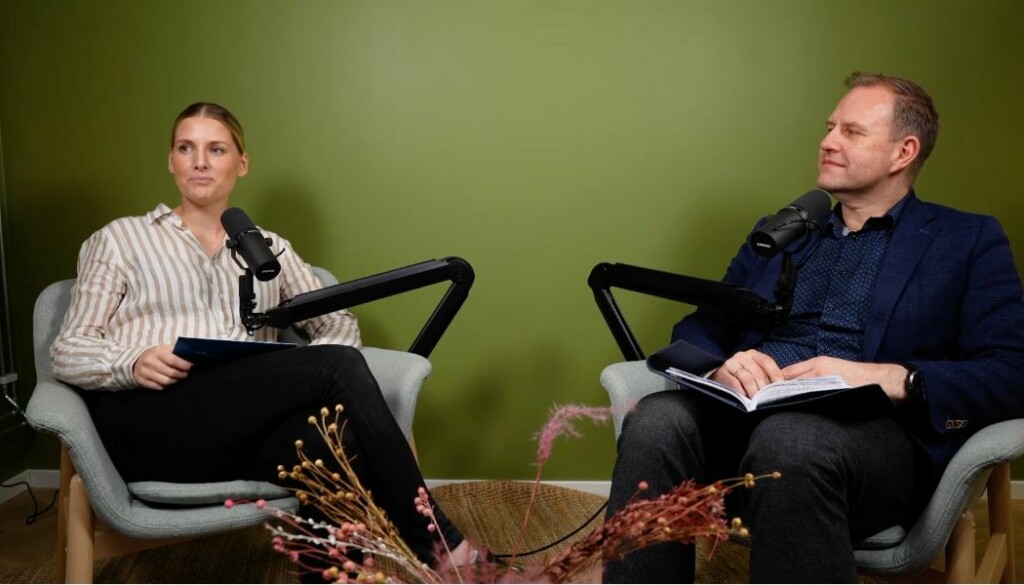
– We have had a strong focus on security for many years. This certification validates the work we have done and serves as a mark of quality for us and our customers, says Thomas Brevik, Interim CEO at Maritech.

ISO 27001 is not only about technical measures; it also involves people, processes, and risk management. For Maritech, it means that the entire chain of information security – from internal routines to the handling of customer data – follows a documented and verifiable system.

– For our customers, the certification provides added confidence. We adhere to recognized standards and work continuously to improve, both technically and organizationally, says Robert Veiset, IT and Operations Manager at Maritech.

The certification also provides clear advantages in supply chains and procurement processes, where security requirements are often part of the evaluation criteria. ISO 27001 demonstrates that Maritech meets these expectations.
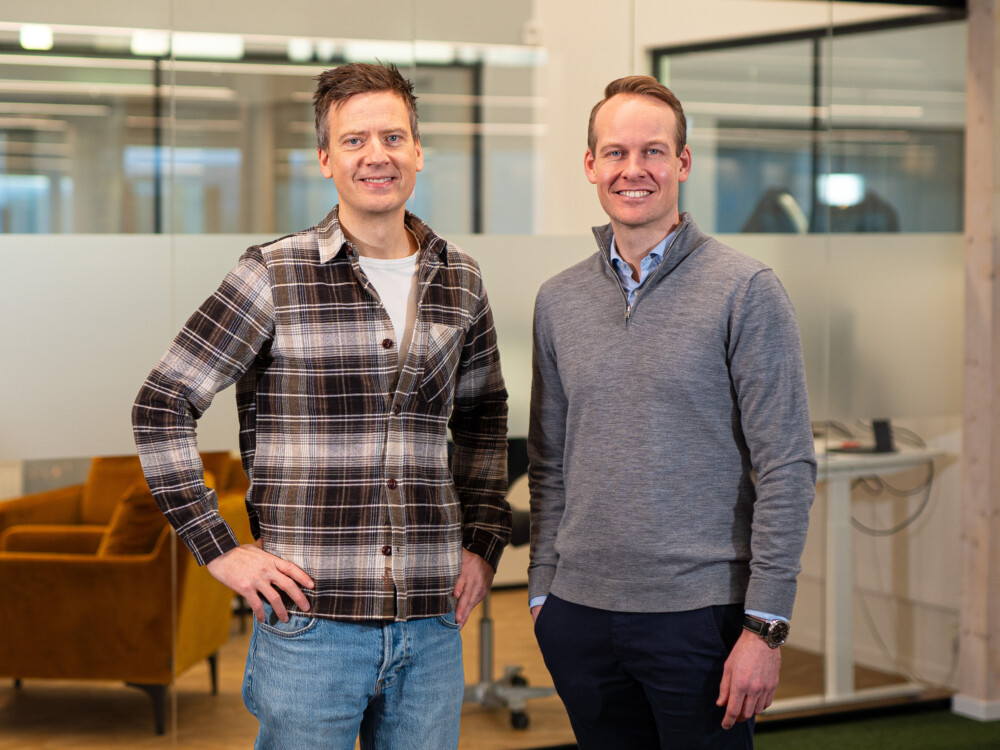
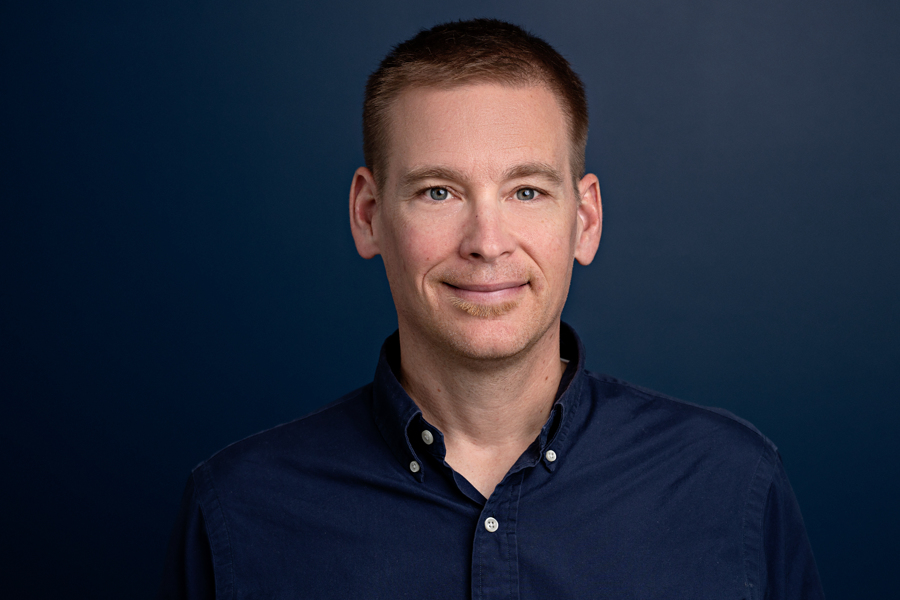
Robert Veiset Thomas Brevik

– In a time of increasing digital risk, it is important for customers to know that we take security seriously. ISO 27001 confirms exactly that, Brevik adds.

With this certification, we formalize our long-term commitment to security – and provide our customers with even greater confidence that information is handled safely and responsibly.

Cloud technology is a game changer for the seafood industry

Cloud technology is a game changer for the seafood industry.

As technology advances, many seafood companies are investing more and more in digitalization and in transforming their businesses into data-driven ones. Data-driven organizations require data infrastructure. For these forward-looking companies, the increased use of cloud technology is proving to be a game changer.

The future is digital, we see that everywhere in the world. To be credible, claims of sustainability, legality, or social responsibility need to be linked with verifiable traceability. Consumers have come to expect the availability of digital technology telling the story of the fish they consume. But the advent of whole supply chain technology such as that offered by Maritech Cloud systems offers so much more than traceability and compliance.

Connecting your people

Seafood production can be thought of as the ultimate remote workforce. Whether based on wild catch, fish farming operations, or both, fisheries are not conveniently clustered in central locations. With such a dispersed workforce, the challenges of communication from ship to shore and factory floor to sales office are difficult. In the past, too often, information has flowed from the top down, with production and sales planning tools missing the real-time forecasting of incoming harvest or catch or outgoing logistics to be effective. Cloud systems mean that information can be accessed and shared by all, wherever they are located. Operations can act as one informed crew.

Connecting Supply Chains

Standard to all Maritech customers is Maritech friends. This is an easy way to enhance your supply chain with electronic exchange of purchase and sales information between Maritech Cloud users. Seamlessly send all needed information and documents throughout your supply chain as if they were internal to your organization, with enhanced security of information exchange. This level of inter-operability is not possible in on-prem solutions.

Mitigating risk through enhanced security

The seafood industry is more exposed to cyber-security breaches than ever. The potential for being hacked or becoming a victim of a ransomware attack is escalating. Do you have a plan for recovery if critical systems are compromised, opening up your company to stolen confidential information, loss of critical records, and extended down-time? Cloud architecture has tiered security defenses, continuously logging and monitoring threats and protecting you in ways that are not possible simply using in house IT.

Out of date technologies and old servers pose security risks. As many companies have focused on updating operational and hardware technologies, they have failed to update their legacy systems to comply with modern security standards. These can cause major operational outages and complete shutdowns if compromised. For most companies, the expense of managing cyber-security in-house, without a dedicated team, is virtually impossible.  Maritech’s cloud-based software, built on Microsoft Azure, offers cost-effective data protection with a powerful and secure, hardened infrastructure which would not be possible using traditional legacy on-premises systems.

Data-driven decisions

The complex business of sustainably producing seafood also produces a lot of operational data that rarely gets used as business intelligence to drive the value of the product at the end of the line. Information data links all of the various facets of the fish business together. BI tools, such as Maritech Analytics, collect and combine vast amounts of data, presenting key information and performance data, in near real-time, fusing it with selected external data sources such as crucial trade and market price flows. These critical tools enhance your ability to overlay and benchmark your own performance, strategically plan production, and forward price plan to gain a truly competitive edge.

Leveling the playing field

“Maritech’s cloud-based software has really meant that sophisticated digital systems that would once have been out of reach for small operators are now readily available with absolutely no huge up-front capital costs and complex IT implementation cycles,” says Will Greenwood, Maritech’s Managing Director for North American sales operations.

“We have seen, for example, one of our small customers, who is based in New Jersey, be fully setup and running our software to manage international seafood sales operations within the space of a week. In addition to Maritech Cloud, we provide integrations to our own solutions with labelling and packing systems, logistics, quality, claims, and IoT, as well as open, standards-based data integrations to 3rd party systems such as accounting, ERP, or even governmental reporting. This kind of flexibility is revolutionizing the way seafood companies can now do business.”

Will Greenwood, Maritech Halifax

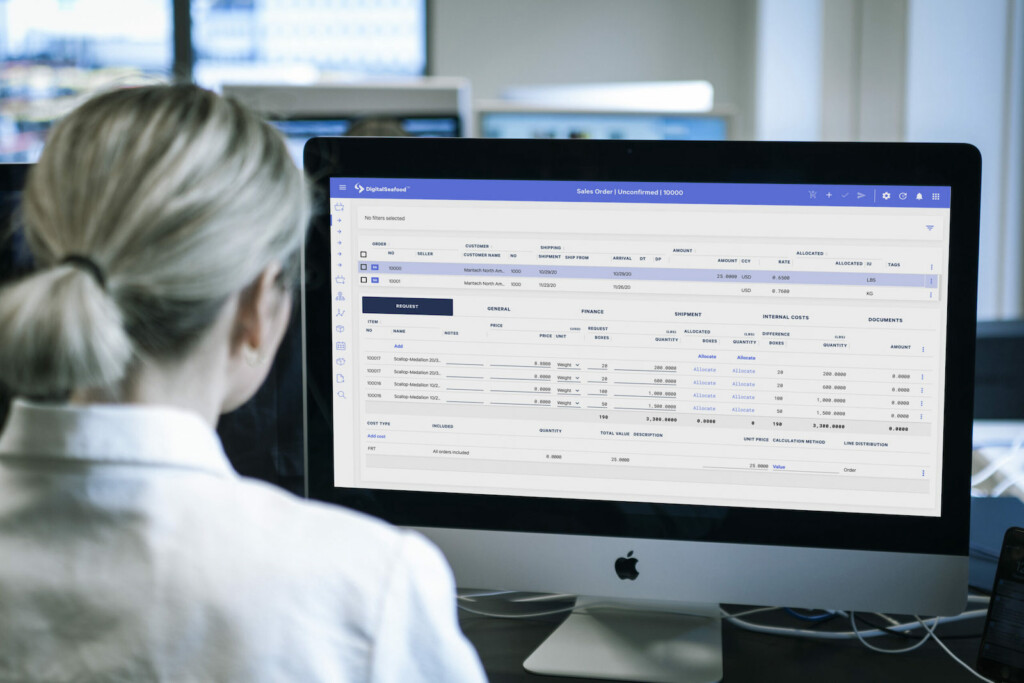
Want to see how the core functionalities in Maritech look like, and works? Have a look at our free digital demos: here for seafood solutions, and here for our logistics solutions.

FDA legal requirements – FSMA Final Rule on Requirements for Additional Traceability Records

Traceability laws and standards in the USA – what level do you need?

Several traceabilty changes have come into effect in the United States recently that have caused some confusion for suppliers of seafood as to what is needed to meet traceability regulations and also what is required for different aspects of the supply chain. This article outlines the specifications and differences between the various traceability schemes – both legal and market driven.

FSMA Final Rule on Requirements for Additional Traceability Records

The FDA (Food and Drug Administration) is the department in the US government responsible for food safety. The FDA’s new traceability rule – FSMA (Food Safety Modernization Act) Final Rule on Requirements for Additional Traceability Records for Food identified on the Food Traceability List (FTL) came into effect in November/2022 but will come under final enforcement on January 20. 2026. The ruling applies to all companies, including foreign entities, who manufacture, process, pack, or hold foods included on the Food Traceability List (FTL) within the United States. Main highlights of the new rule for seafood producers and suppliers include:

  • The Food Traceability List (FTL) has been expanded to include all finfish (with the exception of catfish), crustaceans, molluscan shellfish, and bivalves, in both fresh and frozen forms.
  • The Food Traceability Rule requires companies to maintain and provide to their supply chain partners specific information (key data elements or KDEs) for each physical movement or transformation in the food’s supply chain (called Critical Tracking Events or CTEs). Most specifically, the new rules require the establishment of a Traceability Lot Code from a first receiver of wild caught fish or a first harvester/packing plant of farmed fish.
  • Once a traceability lot code has been assigned, it can only be changed when the food is transformed (processed into a different item or repacked) and a link to the prior lot code must be preserved by the processor. The intention of the traceability lot is to link incoming with outgoing product within a firm and from one point in the supply chain to the next.
  • In the case of an audit or a recall, a company must be able to provide an electronic sortable spreadsheet containing relevant lot traceability information to the FDA within 24 hours of a request (or within some reasonable time to which the FDA has agreed) when necessary to assist the FDA during an outbreak, recall, or other threat to public health.
FSMA Purchase & Sales is fully compliant with FDA

Maritech Purchase & Sales is fully compliant with the new FDA rules and there are provisions within the software for recording and transmitting the required information and, in the case of a recall, generating a spreadsheet for the needed lot information via an Analytics traceability report.

At a high level, Maritech Purchase & Sales allows you to assign a lot no. when fish is first received and ensures the lot number is preserved and cannot be changed unless the fish is processed/transformed into a new item. The origin lot(s) that went into the production of the new item is preserved in the allocation of the raw material to the new production record or in the case of a repack, the allocation to the repack.

For first receivers of wild fish, Purchase & Sales allows detailed recording of vessel and catch details through landing notes (in Norway) or Fishing Trips (outside of Norway). For first receivers of farmed fish, when an item is stocked, if from an aquaculture harvest, both the farmer and the cage no.or pen no. can be included in the record. In addition, in Norway, a locality from Barents watch can be linked to the stocking record which gives precise location and history information related to the site, cage units, etc. Finally, an origin fish CV can be linked to the stocking record which can provide, in addition to fish feeding and medication history, etc. precise unit information for harvested fish.

The FDA ruling refers to a traceability lot code source reference. This is detailed information about the vessel and catch in the case of wild caught fish or the farm harvest location (fish unit location, etc.).

While detailed information (catch area, vessel or harvest unit, etc.) must be maintained by the first receiver of the fish – who also issues the origin lot that follows the fish – all of these details do not need to be sent to every subsequent receiver of the fish. Instead, what can be sent, along with the traceability lot code, is a traceability lot code source reference. This allows the FDA to know the business name, phone number and address of the provider of the traceability lot code. It can be in the form of an FDA food facility registration number or a web address that provides the company information.

GDST (Global Dialogue on Seafood Traceability) Standard

GDST is a non-profit foundation that was established in 2017 as a partnership between the World Wildlife Fund (WWF) and the Institute of Food Technologists (IFT). It developed a standard by which seafood supply chain partners can use a common set of data elements that need to be documented and transmitted electronically between GDST compliant trading partners and provides the technical formats for how the data elements can be transmitted. The GDST is not a legal requirement. However, if you are partnered with some grocery retailers – Wegmans, Whole Foods, or Sainsbury’s for example – then you may be required to use the GDST standard when providing shipments of fish to these grocery companies.

In addition, if you wish to market yourself as a GDST compliant provider, then you must partner with GDST. GDST Partnerships have four tiers: each with different fees and benefits. The emphasis of the GDST goes beyond the strict legal traceability standards required by the FDA ruling and has an additional focus on proving that your products are sustainably caught/grown and ethically produced with regards to environmental certifications and human welfare policies. In addition, to use the GDST standard to comply with FDA legal requirements, you have to use an extended standard from GDST as they do not explicitly capture, for example, the first receiver information needed by the FDA.

Much of this additional detail can also be recorded in Purchase & Sales. For example, you can record tag certifications such as MSC or Global GAP to accompany the fish from stocking to sale. However, the specific interface needed between the GDST retailer and Maritech Purchase & Sales is an additional external interface and not included in the base software product. In addition, some elements such as participation in a certifying body, such as Global GAP, are outside of the Maritech software system. While these details can be recorded, it is up to the seafood company to register and comply with the certification body itself.

Details of what is required by a GDST partnership can be found here:

https://thegdst.org/

Trace Register

Trace Register (TR5) is a private company (established in 2005) that provides traceability tracking for seafood suppliers. It is not an ERP and only gathers the traceability information from seafood producers and suppliers that is needed by retailers, usually captured in the seafood supplier’s ERP system. It provides, in addition, an interface for integrated and automated Seafood Import Monitoring Program (SIMP) filings and other regulatory bodies. Like GDST, there are some grocery retailers – Whole Foods, for example – that require seafood suppliers to use Trace Register. Trace Register is also a partner with GDST but not all retailers who require Trace Register records require GDST standards. These two organizations are similar but do not use precisely the same interface.

Details of what Trace Register offers can be found here:

https://www.traceregister.com/

Maritech Purchase & Sales does gather the information that needs to be input into Trace Register. However, an explicit integration between the two systems is not part of the base Maritech Cloud product and needs to be developed as an external integration depending upon your company’s specific requirements.

We have new owners!

Now we are joining forces with CAI Software.


Together, we support all the critical operations of Seafood Processors and Distributors Across Purchasing, Processing, Sales, Traceability, Logistics and Reporting.

LINCOLN, RI and MOLDE, NORWAY, February 28, 2024 – CAI Software, LLC, (“CAI” or “CAI Software”), a portfolio company of STG and a leader in integrated software and technology solutions for mission-critical, production-oriented enterprise resource planning (ERP), manufacturing execution systems (MES), eCommerce EDI (electronic data interchange), and warehouse management software (WMS) today announced that they have acquired Maritech, a leading cloud-based ERP provider for the seafood and logistics industries across European and North American markets.

A leading, global seafood ERP

The addition of Maritech to the CAI Software portfolio adds seafood processing and distribution software, enhancing capabilities across the entire seafood production lifecycle from catch, purchasing, processing, packing, sales (including importing and exporting), logistics and analytics & reporting. Founded in Norway, Maritech has an expansive, blue-chip customer bases in the seafood industry. The combination of CAI and Maritech will help expand Maritech’s presence in North America and the rest of Europe. Together, CAI Software and Maritech will build a leading, global seafood ERP platform to serve companies of all sizes.

CAI Software has acquired Maritech

Stronger together

“Combing CAI Software and Maritech brings key granular information for seafood manufacturers of all sizes to make more informed and timely business decisions in this ever-changing business environment,” said Brian Rigney, CEO of CAI Software. “As we bring the companies together, we will continue to collaborate with our customers to develop solutions purpose-built to serve the unique requirements of this industry. In our next chapter of growth, I look forward to working with the Maritech team and Broodstock, who will continue to be an investor in the combined company.”

“This is a great milestone for us, and a natural next step towards global growth for Maritech,” says Maritech CEO Odd Arne Kristengård. “Together with CAI, we will continue to have a laser focus on our Norwegian home market and customers while increasing the international traction that we have built over the last several years.”

William Chisholm, Managing Partner of STG, said, “We see a strong opportunity to combine the experience and capabilities of CAI and Maritech to build a leading, global ERP software for the seafood industry. We look forward to collaborating with our combined team to drive success for our employees, customers, and partners.”

“The combination of CAI and Maritech will enable us to leapfrog to the next level of performance in the seafood industry. I am so proud of what our team has accomplished so far and am excited about taking our growth strategies to the next level to serve more seafood companies around the world,” added Jan Erik Lovik, Partner Broodstock Capital.

Link to Newswire

About CAI Software

CAI Software, LLC is a leader in the delivery of mission-critical, production-oriented enterprise resource planning (ERP), manufacturing execution systems (MES), warehouse management software (WMS), electronic data interchange (EDI), and Enterprise Process Automation (EPA) software and services to leading companies in targeted vertical markets, including building materials, food processing, precious metals, manufacturing, and distribution.


About STG

STG is a private equity partner to market leading companies in data, software, and analytics. The firm brings experience, flexibility, and resources to build strategic value and unlock the potential of innovative companies. Partnering to build customer-centric, market winning portfolio companies, STG creates sustainable foundations for growth that bring value to existing and future stakeholders. The firm is dedicated to transforming and building outstanding technology companies in partnership with world class management teams. STG’s expansive portfolio consists of more than 50 global companies.

How to Digitalize the Canadian and US seafood industry

In the dynamic landscape of the Canadian and US seafood industry, staying ahead requires strategic tools tailored to your unique challenges.

Maritech has more than 40 years of experience in the seafood industry, and have been supporting more than 300 seafood companies with their digital transformation. Our seafood ERP software is designed to empower your business in all your seafood operations, whether its seafood distribution, processing, wholesales, logistics – you name it, we know it.


The backbone of efficient seafood management

In the ever moving world of seafood, streamlined operations is the key to success. Our seafood ERP solution, Maritech Cloud, offer a comprehensive suite of tools, providing real-time insights into your business processes. From production and inventory management to traceability and compliance, our seafood ERP software is your ally in achieving operational excellence.

Seafood distribution

In an era where resources are limited, efficient seafood distribution has become increasingly crucial. Our specialized seafood distribution software is tailored to meet the specific demands of North America’s seafood supply chain. With features such as order management, route optimization, and real-time tracking, our software ensures that your products reach their destination fresh and on time.

Seafood processing

Experience a paradigm shift in seafood processing with Maritech Cloud. Our seafood processing software is designed to enhance every stage of the processing journey, from quality control and yield optimization to compliance and reporting. Elevate your processing capabilities and deliver top-notch products to your customers.

Comprehensive seafood software solutions

Maritech goes beyond conventional ERP solutions. Our seafood ERP is an all-encompassing suite, covering the intricacies of the seafood industry. Whether you’re a small-scale distributor or a large processing plant, our scalable seafood software adapts to your needs, fostering growth and efficiency. Whether you need the full solution or just parts of it, we got you – and whenever you are ready to expand or get more modules, you can. Maritech is the only one-stop cloud software for all your needs in the seafood industry.

Contact us here if you want to explore how we can support your seafood business!

Sign up to our newsletter!

Meet our new west-coast consultant!

Amy Terrell received her first ever paycheck while working in the seafood industry

Now she has come full circle – from seafood to tech, and now to seafood tech!

The road to Maritech

Her experience spans from being a front line seafood worker, via aircraft vessel interior management at Boeing, to implementing extensive ERP systems for Microsoft and SAP.

No wonder we are happy to introduce Amy as our new Senior Consultant!

Along the west coast of the North American continent lays a town called Bellingham. Located in Washington, USA, perfectly placed between Seattle and Vancouver, this coastal city has ferries to Alaska, snow-capped volcanic ski hills and world-class breweries. This is where you will find Maritech’s newest North American employee, Amy Terrell, starting her day by getting her two boys out the door, with a vanilla latte in hand.

First seafood job in Alaska

Amy has experienced the seafood industry from several different perspectives. While fishing with her two boys and husband is now a part of her leisure life, she watched and even joined her father, a commercial fisherman, hard at work in her early years. Amy learned the ins and the outs and recalls earning her first ever paycheck from a company in the seafood industry.

San Juan Seafoods, now a part of Trident Seafoods, was Amy’s first look at the industry and all it had to offer. While completing her degree with a focus on finance at the University of Washington, Amy would find herself in Alaska during her summer months. “I think I still suffer a little bit from carpal tunnel,” Amy laughs and continues, “I did everything from cleaning, and gutting, to grading, eventually becoming a dock person. Everything except heading, I wasn’t trusted with a knife.”

Amy Terrell Maritech

Boeing, Microsoft and SAP

Amy finished up school and landed a job at Boeing, where she focused on the interior organization of aircraft vessels. The company sent her back to school to complete her Master of Business Administration, where she focused on Project Management. It was after that when Amy would find herself at Microsoft. For roughly 10 years, during the 1990s, a period of major advancement on the way society used and relied on technology, Amy made her mark. She grew her extensive knowledge on Enterprise Resource Planning (ERP) systems and was a part of the project team responsible for incorporating and flourishing the Microsoft and SAP partnership.

“As a production planner at Microsoft, I got to work with some really cool sectors of the company. I managed the Japan, Taiwan, and Korea divisions, where we handled their localized software. And, as we phased out of all that, I was presented with the opportunity to be a part of the team that implemented SAP, which ultimately replaced all of the old legacy systems that were being used,” explains Amy.


Solving puzzles became a passion

Amy’s experience throughout her career has provided a perfect mold for her position here at Maritech. With family roots in the seafood industry and working on the front line to extensive eCommerce and backend experience, Amy understands obstacles and challenges that many businesses grapple with. More specifically, businesses in the seafood industry.

“I really do understand the struggle that many businesses are faced with because I have been through it. I absolutely love the concept of solving puzzles, and as a consultant at Maritech I get to do just that. I am presented with the opportunity to discover how clients run their business and how our solutions can be configured to fit those needs. It’s exciting stuff, and it’s always so rewarding knowing that I’m helping businesses practice a more proficient and effective experience,” says Amy.

Curious to know more?

We’d love to hear from you!

  • This field is for validation purposes and should be left unchanged.

The Maritech way

More importantly, Maritech feels like home for Amy because of the environment she works in. Experience mixed with drive, passion, and kindness.

“I’ve always strived for a kind working environment. As I’ve maneuvered through my career in seafood and technology, I’ve realized that kindness, compassion and respect create the best types of professional relationships. I think those traits go a long way and it’s easy to do when you work in an environment like Maritech. Everyone here is just very kind, and truly encourage and value discovery,” smiles Amy.

Amy has come full circle since she accompanied her father on fishing trips. She combines the experiences of her career and love for seafood, making her an exceptional addition to the team. Amy utilizes her knowledge to become a driving force for our organization, facilitating face to face interactions and becoming a beacon of comfort for our west coast-based clients.

Welcome Amy, we couldn’t be more excited to have you on our team!

From tree-planting to seafood tech

Our North American team is growing! We are happy to introduce you to Cyra, our new seafood software consultant in Halifax. 


The idea of Cyra Humber working in an office was a foreign thought to her for most of her life.

A thought that wouldn’t dare enter her mind while she attended university, travelled the world, worked in hospitality and planted trees. It wasn’t until the coronavirus pandemic began that everything changed. She would head back to Canada and begin a new educational journey, eventually finding herself a part of a new community – Team Maritech in Halifax.


A love for the east coast

Cyra began her academic career at St. Francis Xavier University, a smaller school in what she says felt like an even smaller town known as Antigonish, Nova Scotia. Completing a bachelor’s degree in Psychology wouldn’t even be the highlight of her university career, but rather it was the four years she would spend competing for the Women’s Varsity Rugby team – winning two national and three provincial titles during her time on the team.

Unsure of her next step, the only thing Cyra knew was that she wasn’t ready to leave the east coast of Canada, moving from Antigonish to the province capital of Halifax. Originally from Toronto, Ontario, the maritime way of life soon stuck with Cyra and would ultimately become the reason she would make this place home.

“The energy of Halifax is amazing, and working here at Maritech, has been the most rewarding experience,” says Cyra. She has been with the team since April of 2022.

A new opportunity

In September of 2021, Cyra returned to school at the Nova Scotia Community College, to complete an Advanced Diploma in Public Relations. Shortly after, she found herself immersed in the seafood tech industry as a software consultant.

“I love working with people. It’s kind of a perfect position for me. Solving problems and teaching people how they can make their organization run more efficiently is a really rewarding feeling,” smiles Cyra.

The past months at Maritech have opened Cyra to a new world – one she has been eagerly learning – seafood. Although she grew up enjoying seafood, she was humbled when she began working here and realized the processes these products must go through to become what we consume.

“I truly never realized how big of an industry seafood is, and I am excited to learn all there is to know. I really couldn’t be learning from a better organization. Our software solutions are the only ones of their kind in the world. I have been so lucky to be presented with the opportunity to learn all the processes of seafood from catch to consumer plate, and help others be more efficient and sustainable. There is such a wealth of knowledge here,” says Cyra.

We certainly feel lucky to have her aboard our North American team!

Curious?

Letus know! We would love to talk to you!

  • This field is for validation purposes and should be left unchanged.

FDA’s New Traceability Rules for Seafood

A checklist and lessons from Norway


The US seafood industry is facing new challenges as the FDA traceability regulations are set to become official on November 7th. 

The new, strict regulations from the US Food and Drug Administration (FDA) include all food commodities identified on the FDA’s Food Traceability list (FTL), such as finfish (catfish excluded), crustaceans, mollusks, and bivalves, with additional records required for fish obtained from a Fishing Vessel. The traceability record-keeping requirements will affect almost all seafood producers who do business in or with America. With aggressive deadlines, few exceptions, and no phase-in, the proposed rule will make compliance using paper-based or out of date electronic systems nearly impossible. 


Aligning with existing regulations

Seafood products included in the FTL are also subject to the Seafood Hazard Analysis Critical Control Point (HACCP), the National Shellfish Sanitation Program (NSSP), and the Seafood Import Monitoring Program (SIMP), among others. Sorting out how all these rules align and how they can be incorporated into your existing data management systems can be confusing. Especially for small producers, the burden can seem onerous and expensive. Although not mandated, it seems clear that the ability to provide a spreadsheet record to the FDA within 24 hours could only be accomplished if a company is capturing digital records. 

“I talk to producers every day who have already put considerable investment into data compliance and who fear, especially in this inflationary and difficult economic climate, the enormous cost of reviewing and complying with the new rules. It’s going to be difficult for a lot of seafood companies, particularly small-to-midsize harvesters and distributors,” says Kristjan Kristjansson, Sales Manager, Maritech North America.

“Keeping track of everything is painful right now and it’s going to get more painful. There are some companies that aren’t going to be able to make that transition easily without an affordable software partner. If the FDA triggers an audit, without a system in place that can produce the necessary records within hours, it could mean fines, lawsuits, or even being shut down.”


Kristjan Kristjansson,Maritech North America

Norway – the gold standard for seafood traceability

Similar rules have been in place in Norway for many years, and the country has become the gold standard for traceability record keeping. As Maritech has been a trusted partner in seafood technology for more than 40 years, ensuring compliance according to Norway’s even stricter traceability requirements, our systems have been stress tested by some of the largest and most complex seafood companies in the world, whose global trade must meet all standards and regulations. In transitioning our advanced software tools to the cloud, we also make our expertise and best practices available to even the smallest of seafood producers in a simple and cost-effective way.   

“For firms to comply with the new rules, especially small to mid-sized producers, partnering with a software company who fully understands the best way to implement traceability systems in an efficient and cost-effective manner is now more important than ever. With Maritech Cloud, you get sophisticated cloud-based tools tailored for the seafood value chain, with built-in compliance and proven best-practice methodology,” Kristjansson continues.

“Landing Note information, which records the catch area, fishing trip dates, origin lots, and more has been in place for many years in Norway and has been an integral part of Maritech software systems from the very beginning. In our latest pilot project, we have moved this functionality into our native cloud solution, Maritech Purchase & Sales, with planned release functionality developed specifically for the North American market. This means that even very small producers can comply easily and affordably with an implementation that takes weeks, and not months and years.”  


New FDA Rules – Checklist

  • Food Traceability List – Companies that originate, transform or create food on the FTL must assign a new traceability lot code. All key data elements must be linked to the traceability lot code to ensure traceability within the firm and across the supply chain.

  • Seafood Obtained from a Fishing Vessel – First Receivers of seafood obtained from a fishing vessel must create/maintain a traceability lot code and have a mechanism for linking the code to the Harvest date range and locations (National Marine Fisheries Service Ocean Geographic Code or geographical coordinates) for the trip during which the seafood was caught.

  • Key Data Elements – The FDA’s proposed system follows critical tracking events (CTEs) in the supply chain and stipulates capture of key data elements (KDEs) along the way.

  • Data Flow – Firms that ship foods on the FTL would be required to send product origin information, including the traceability lot code, to the receiving firm.

  • Record Keeping Requirements – Under the new mandatory record-keeping procedures, supply chain partners will have to maintain the data in their systems for two years and provide it to the FDA in a sortable, electronic spreadsheet within 24 hours in the event of an outbreak.

He is the new leader of Maritech North America

We are happy to announce Will Greenwood
as our new Managing Director!

A strong global team

A career in seafood tech wasn’t always a stop along the path of Will Greenwood’s career.

Luckily for us, he changed his plans in 2017, when he joined Team Maritech in Halifax after 18 years in the field of automotive ERP. Since then, he has been working closely with Canadian and US seafood companies as a Senior ERP Consultant.

“I am thrilled to be chosen for this new role,” says Greenwood, taking over as Managing Director after interim resource Kjell Jørgensen.

“We have a strong global team, highly innovative solutions, and a unique opportunity. I believe that Maritech has huge potential in North America, as we are the only company in the world that is offering a complete cloud platform tailored for seafood processes. The first implementations started 1.5 years ago, and we have seen an extremely positive trend.

A major advantage is that our software is adaptable to all kinds of seafood companies, from large to small the software can be tailored to the customer no matter what their size. Different modules are specific to the different kinds of companies throughout the seafood value chain, such as traders, fishermen, processors, and aquaculture companies. Everything is built according to best-of-breed methodology, in Microsoft Azure, and the users can now easily access their systems anytime, anywhere.”

Transforming the industry

Greenwood says that being a part of Maritech feels like home. “I can honestly say that I am looking forward to going to work every day. And our team is amazing. We get up in the morning to make a difference, innovating together with our customers. Our ambition is to revolutionize the seafood industry,” he continues.

“The experience from our recent cloud software implementations, such as for Eastbound Seafood, and Grieg Seafood in both Norway and Canada, proves that we are very well-positioned to lead the digital transition of the entire seafood value chain.

It is great to see how our new solutions are welcomed in the market, new companies are contacting us now to see how we can help them work more efficiently, generate more revenue, and be more sustainable.”

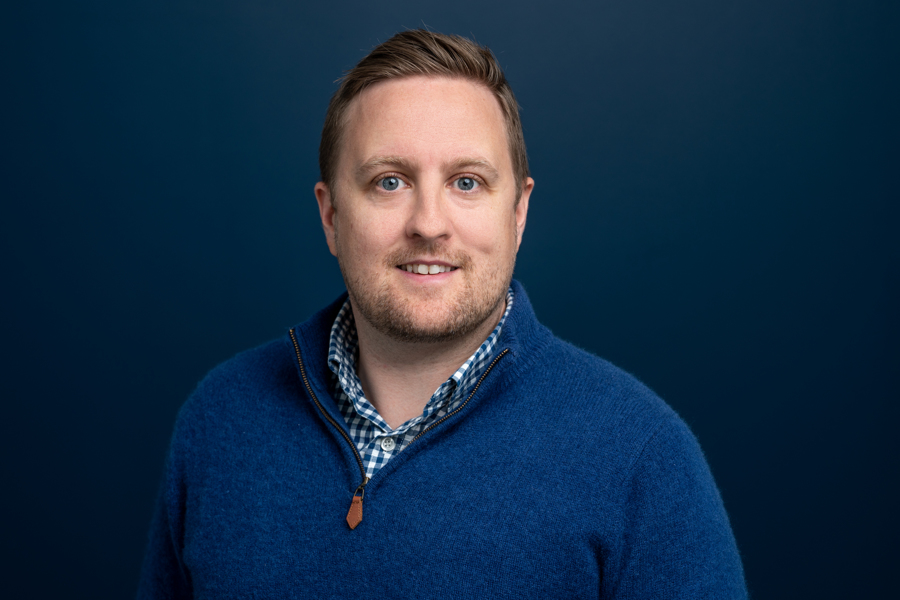
Will Greenwood, Maritech Halifax

Growth mode

Since launching Maritech Cloud in 2019, Maritech has been investing heavily in scaling as one united, global tech company.

“North America is one of Maritech´s core markets, and we have big ambitions for the years ahead of us. We really enjoy being in such a growth mode, fuelled by strong owners who are willing to invest in our success.

To give a few examples; since 2018, our Product & Technology team has spent more than 125 000 hours developing seafood-specific solutions in Maritech Cloud. And last year, Maritech hired 26 new employees – so far this year, the number is 24. Two of the most recent are new consultants in Halifax and Seattle, and I believe that we are now 16 nationalities in 5 countries.”

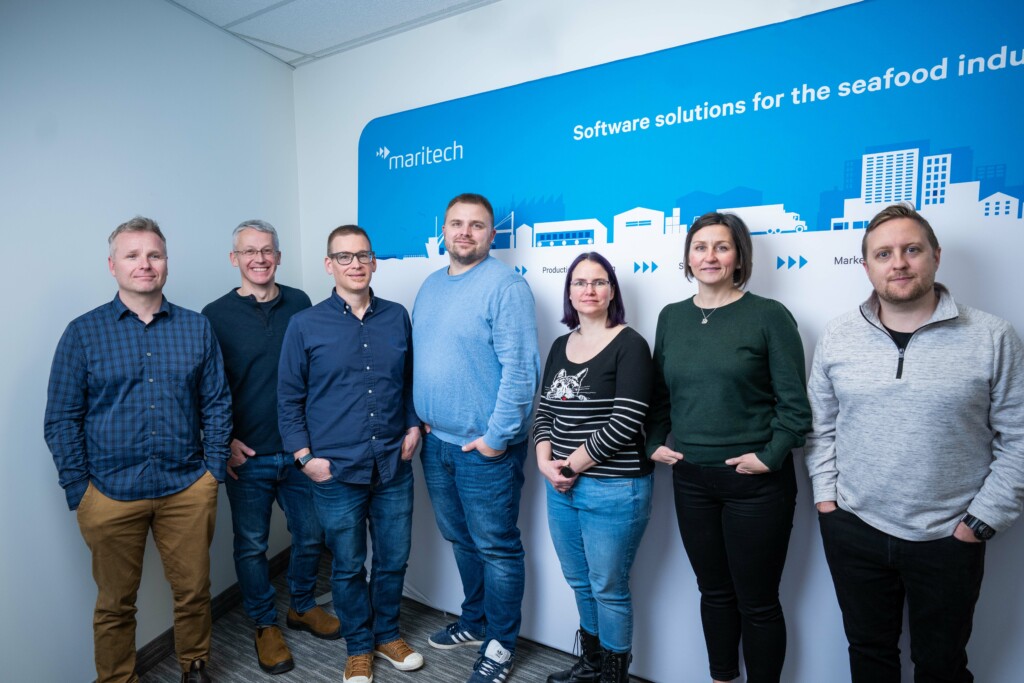
Team Maritech Halifax

Next up are several additional hires here in Nova Scotia, and we are also looking for more new talent across all of North America. We need new colleagues in several kinds of roles; developers, consultants, sales representatives, to give a few examples. So do not hesitate to contact us if you are interested in joining our team, in the leading and fastest growing seafood software company in the world. We would love to hear from you!”

Curious?

Great! Let us know.

  • This field is for validation purposes and should be left unchanged.

Sailing, running and family

Will and his wife Sarah live in Halifax with their three children. All fond of outdoors and physical activities, it’s no surprise that you’ll likely find Will and the rest of the Greenwood family sharing laughs on the soccer pitch or a baseball diamond. They also love to travel and take advantage anytime it’s possible to explore somewhere new. As Will is a passionate athlete, he prefers to fills the rest of his free time with running and sailing. After having completed the Fredericton marathon this past year, he has now focused most of his attention on sailing – both in terms of competitions and pleasure rides.

Coming to work every day is easy when you love what you do, and Greenwood says he is lucky to have found that in Maritech.

“Innovating together, collaborating in cross-functional teams, and celebrating other people’s success. It is highly motivating. What Maritech stands for, I fully support and truly what I love most about the company,” Greenwood finished with a smile.  

Well Will, we are lucky to have found you too. We are so honored to have you fill this role!